
Pain, could it actually be all in your head? Well err, actually it might be, just not in the way you think!
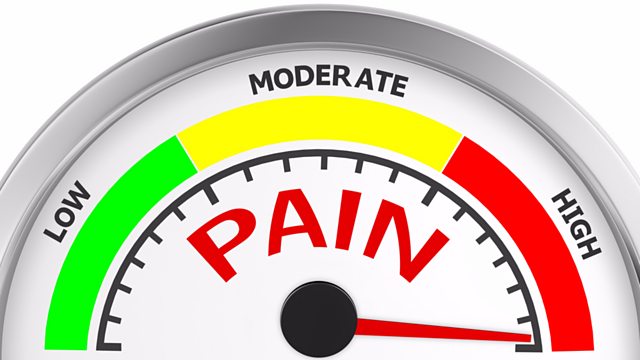
Now as I sit here to write this blog, I’m wondering about the chances of somebody actually reading this who has NEVER experienced pain at any point in their lifetime. Now of course I already know the answer is zero but just imagine meeting someone like that, someone who has NEVER experienced pain of any kind, now also imagine what their chances of survival to old age would be! Surely zero right!?
You see, all living organisms have built in mechanisms of protection with fear and pain being two of these mechanisms that immediately spring to mind for the vast majority! Why do they exist? Well, they are simply methods to protect us to ensure survival. The ability to experience pain is in-built in all of us. Think of it as an incredibly sophisticated method of protection.
But what exactly is pain, how does it come about and what does it do to us?
Pain can be defined as:
“An unpleasant sensory and emotional experience that is felt in the body that motivates us to escape it”
Now I really like this definition as I feel it really gets away from pain actually being something physical. If we break the definition down, there are some key points to really consider. Firstly, that pain is an experience and secondly, it motivates us to escape it. Now think back to times that you have actually felt pain, in any capacity. For example, if you cut your finger on a knife, you automatically pull away from the blade right? OR if you are kicked in the leg hard enough, the experience of the inevitable pain will alter the way you walk or may even be enough for you to stop yourself from placing any further weight onto the leg. At that point in time, you will also most likely do anything to NOT be kicked in the leg again or cut by the blade! You see in both instances, the unpleasant sensory and emotional experience that is pain has now motivated you to escape the threat in order to protect you from any further danger.
If we break that down even further, there are essentially two key components to pain. First is the unpleasantness of it all. Second is the anatomical focus, IE the location! And this is the part where I attempt to explain why pain is not a physical thing and more of an experience. You see, pain may sometimes FEEL physical but what if I told you right now that of the (approximately) 46 miles of nerves in the human body, NONE of them physically produce pain by themselves, would that surprise you? Either way, it is true! Nerves do not produce pain, bodily tissue does not produce pain either. Pain is in fact, an OUTPUT of your brain.

Now this doesn’t mean that your pain is all in your head in THAT sense! It simply means that your brain is responsible for the production of and your experience of pain and for you reading this now, it is a critical concept to get to grips with. The reason for this is simple, once you can understand pain, you need not fear it and perhaps more importantly, if you are suffering from pain you can begin to properly address it without necessarily resorting to a life of painkillers, anxiety and misery!
But first, allow me to try to explain how it is your brain that produces pain and not in fact the nerves, muscles, ligaments or tendons of your body. So here goes! Your brain is the KING or QUEEN of your body. It is in charge. It is also the most powerful computer you will ever come across in your lifetime. It is able to process billions upon billions of pieces of data in the blink of an eye without you even consciously registering it and it does this to ensure your survival. All of this occurs through a complex process whereby information and data is constantly being fed INTO the brain. This data is then processed BY the brain and decisions and action are taken FROM the brain. One quick example of this is temperature regulation, if core temperature starts to drop in the body, the brain is made aware of this via messages being sent to it. Once the brain is made aware of this reducing core temperature, it is able to make decisions and take action. What tends to happen then is the brain starts to divert bloodflow from the arms and legs and send it to the core in an effort to maintain or improve temperature so that the vital organs can continue to function, thus keeping you alive and kicking! (all about survival remember!)
With regards to pain, the process in basic terms is the same. You have the input of data, data processing and then action. The thing with pain is, the data being fed in can come from numerous pathways. Traditionally we always thought pain stemmed from the nerves sensing or transmitting signals to alert the brain of a painful stimulus IE if a threshold was reached in terms of excessive temperature, pressure or other danger, a rapid message was sent via the nerves to the brain to alert it of pain. However it now appears that thoughts, scenarios, environments and belief systems can ALSO influence the output of pain in the brain, all of which DO NOT require any involvement of nerve endings.

The brain has in place a highly sophisticated CCTV surveillance system within the body. As previously touched upon, it has a 46 mile network of nerves that are able to monitor temperature, pressure and potential or actual harm to tissues. This network spans the entire body and works around the clock, so if something represents a threat in the form of hot/cold, excessive weight, constriction or physical trauma, information can be rapidly fed into the brain to sound off the alarm. The brain can then decide if this threat of harm is high enough to warrant it producing the response that is pain in order to motivate us to escape the danger or potential danger. Hopefully with this explanation you can now see how it ISN’T the nerves that caused the pain, it was in fact the brain.
“Pain does not exist in the tissues, it is an output of the brain only!”
Hopefully now you have grasped this critical concept, you can begin to understand the complexity of pain. Pain arises when the brain detects damage or threat of damage! It’s a bit like a burglar alarm, just because it is going off it doesn’t mean there is an actual burglar in your house (thanks Bill Hartman for that quote!). Of course there MIGHT be a burglar in your house however and THAT is the whole point, the alarm is alerting you to a potential or actual threat in order to motivate you to do something about it!

If it’s 4am and your burglar alarm starts going off, you don’t stay in bed! You get up to check it out!
Knowing this should hopefully now enable you to gain a better understanding of the multitude of types of pain including acute, chronic, psychological and even phantom pain. The bottom line is, they all occur because your brain has made them occur. However, if you think of your brain as the most advanced piece of technology you possess, as with all great technology, blips can occur. As most of us have probably experienced in our lifetimes, pain can occur in the absence of injury or incident. Most of us have probably experienced waking up with neck pain or have developed pain radiating down the leg and have been completely bamboozled by this as we were adamant that we hadn’t done anything to “cause it”. Well this is the really complex side of pain because firstly, it seems that if the brain detects a threat that warrants the emittance of pain but is UNSURE of the precise location of the threat, pain can be distributed over a wider area. This occurs because it is better to be safe than sorry and to emit widespread pain which forces us to do protect rather than throw caution to the wind and emit zero pain whatsoever. This enables us to explain referred or radiating pain even when all signs point to the fact that there has been no trauma, injury or changes to bodily tissues.
If the brain detects a threat that warrants pain, but is UNSURE of where that threat comes from, it will create more widespread pain across a larger region of where the threat MAY lie.

Secondly, your brain has the ability to downregulate (dial down) or upregulate (dial up) your experience of pain as it sees fit and in accordance with the level of threat. Put simply, large threat equals more pain. Small threat equal less pain. Longer threat equals more extended and intensifying pain. The last part certainly explains why sufferers of chronic pain tend to have to increase the strength or dosage of pain medications over time and this may not be simply down to building up a tolerance to the medication itself. It MAY also be down to the fact that the CCTV surveillance network within the body has become more heightened and has dialled in its facial recognition software to more easily pick up the specific nature of threat in the body IE – that pesky ongoing back pain that seems to be getting worse and worse with time which leads to you taking more and more pain medication but gaining no better relief.
In another sense, this certainly allows us to explain how mindsets, beliefs and conscious thinking can alter the intensity or even existence of pain. If somebody believes that something is going to hurt, the chances are, it actually will (because they have just “pre-loaded” data in the brain which essentially enlarges and heightens the potential threat!).
This also explains why the exact same injury between two individuals can have extremely different levels of pain. For example, a punch to the nose on a boxer would probably hardly register on a pain scale due to the fact that it is so commonplace that it does not represent major trauma as well as the fact that on a conscious level, the boxer would simply shrug it off as “just another day at the office”. Now take the poor guy who has just walked into a lamp post, smacking their nose on the way to work, they may in fact experience a large amount of pain because it represents a major shock to the system as well as the fact that they would probably now be holding major concerns over their appearance in the 9am meeting and take an extremely negative viewpoint on the whole incident meaning their brain has now detected immense levels of threat.
“No Brain, No Pain!”
You see, complex pain is an experience, even a perception if you like. It is unique to the individual. What one person will experience as pain, may simply be discomfort to another and may not even register as anything to another and it is all seemingly once again down to detections of threat, however real or perceived by the brain. This pain can then be consciously made worse or better by increasing or decreasing the level of threat via numerous mechanisms which is great news for you as we can manipulate these mechanisms to your advantage!
These mechanisms are PROVEN to have a profoundly positive effect in the brain and on you! They include:
– Targeted physical exercise
– Education to help understand and change beliefs and thought processes towards pain
– Improved levels of recovery, sleep, nutrition and stress management all of which are proven to reduce levels of threat and inflammation in the body which all markedly contribute to the output of pain
So how can we help you when you are in pain?
Firstly, we know that pain alerts us and motivates us to escape from it. Pain is designed to:
- Change our behaviour
- Make us withdraw from the threat
- Make us seek help/treatment or cure
- Compel us to prioritise relief
Hopefully now knowing what pain is and what it is designed to do to you, you can take some comfort in knowing that it is an entirely normal experience in life when the brain is faced with certain situations. You should also now hopefully now be able to have less fear when faced with pain and be able to adopt a certain mindset, a mindset that realises that “it will not last forever” and that no matter what the pain is, it can be systematically addressed and changes can definitely be made that can have a profound effect on calming the threat levels and perception of danger within the brain.
Less threat of danger = Less potential for pain
Less potential for pain = Greater potential for movement
Greater potential for movement = Greater potential for a normal, healthy, happy life!
And this right here is what we as Sports Therapist’s and Coaches do at Tier 1 in Northamptonshire. We are here to help you facilitate a change in your pain, for the better of course! We aim to clear the clutter surrounding your pain, identify the root cause of your problem and then educate you, coach you, treat you and empower you to be able to resolve it so that you can get back to a normal happy life!

How do we do this?
Firstly, we need to ensure that nothing is physically wrong with the tissues of the body in the form of a physical injury, trauma to the tissues or structures of the body. A physical injury will lead to very specific locations and types of pain you see as direct messages will be sent to the brain that sound off very specific alarm bells. The brain will then respond by producing pain in an attempt to ensure you further protect the injured area. This type of injury is often relatively straightforward as, once healing in the injured body part can take place and strength is improved, the patient will be able to see hard and physical evidence of improvement themselves. All of this will be both consciously and subconsciously reported to the brain and it will become satisfied that there is no longer any threat and the output of pain is turned off and thus, normal practice and movements can resume.

In the absence of injury or trauma to bodily tissues however, further investigations need to take place and this becomes slightly more complex. We now need to look at whether the pain is being caused through repetitive movements or muscular imbalances, stiffness in the joints, how worried the patient is and what the implications of the pain means to them. We also need to determine how their stress levels are, how much sleep and downtime they are getting at home, what (if any) , medications they may be on etc,. as well as if there has been any previous injuries or surgeries or even talk of surgery (fear can cause pain remember!) IE We now have to really look out at the bigger picture of their life in an attempt to determine WHERE the levels of threat are coming from that could be causing them to experience pain. In the end however, it’s all really one big problem solving act in which you and your therapist have to work together to put all of the pieces together.
So in summary, please just remember, pain very often does not last forever, there is always something that can be done to reduce or resolve pain and all of this can very often be achieved through a good physical assessment, a good thorough discussion of the problem, gaining a better understanding of what pain really is and then restoring healthy movements and habits. Arming yourself with a better outlook towards pain will naturally lessen fear and anxiety which simply calms down the output of pain. What I’m trying to say is, no matter where you are right now with your pain, there is always light at the end of the tunnel, so start right now, by walking towards the light! Pick up the phone, send us an email, make contact in any way you like, we are here to help you!
And ALWAYS remember = Pain comes on due to danger or the threat of danger. By removing the threat you can remove or lessen the pain!
So there you have it! Pain “it’s all in your head right!?….well yes actually it is! Just not in the way you previously thought it was!
Thanks for reading!
Stuart Turner
E: stuart@t1trainingandrehab.co.uk
 Tier 1 Training and Rehabilitation Systems
3 thoughts on “Pain – Is it all in your Brain?”