We’ve been locked down for 3 weeks now. In that time we’ve seen an explosion in home workouts. It’s been great to see so many people getting up and moving!
But what should we be aiming for from these workouts?
To get sweaty?
To feel exhausted?
To ache for days after?
To get strong?
To lose weight?
Surely the aim in a global pandemic should be to improve the way our body functions? To improve the way we move? To boost our ability to work with oxygen? To improve resiliency to viral infection? To have more gas in the tank in case we need it? To still look and feel good?
If this is sounding appealing, you’ll be pleased to know this is all easily achievable if you embark on a programme that prioritises CONDITIONING.
But what is Conditioning and why is it so important to everybody?
I think when most people think of workouts they think of lifting weights or performing gruelling high intensity workouts. Let me tell you now, they are not the only way to train to improve your conditioning or your health, especially in a lockdown. At this point, if you haven’t read my articles on exercise and covid19 and why anyone can workout you out, not everyone can make you better, please feel free to do so, they will explain a lot.
Conditioning quite simply is your actual ability to perform in your chosen sport or in life. More specifically it is your ability to maximally sustain power output in whatever activity you choose to do.
For example
If you are a grandparent who is able to play hide and seek with the grandkids all day long without feeling tired, you are well conditioned in that activity!
If on the other hand, you need to sit down after just 20 minutes, you need to improve your conditioning!
Now let’s take another example:
If you are a 10k athlete who always flags in the second half of the race, you need to improve your ability to produce or sustain more power in the final 5k. You need better conditioning.
If you are a rugby player who can only smash your opponents and keep up with play in the first half, the chances are, you don’t need more strength, you need better conditioning.
You see, improving your level of conditioning will have a profoundly positive effect on your health and on your performance, no matter who you are.
So what is Conditioning?
Conditioning is your actual ability to produce power. It is different to fitness as fitness only represents your potential to perform. It is entirely possible to have a high level of fitness yet still have poor conditioning. This is because fitness is general in nature. It is not specific. Meaning you can have a high level of fitness in the gym with regards to biking, lifting weight etc but if your sport requires you to run, then all of this fitness in the gym may not completely transfer into your running performance. Put simply, you have not conditioned yourself to RUN with your fitness training.
Now this does not mean that your fitness training was a complete waste of time. As with the weight training you will have improved strength and with the cycling you will have improved your cardiorespiratory fitness. Both of which will positively transfer into running in many respects.
The problem is (and this is where the vast majority of people faulter!) that fitness is only ONE component of good conditioning! Good conditioning is the COMBINATION of 3 factors:
Energy Systems (Fitness)
Movement Capacity
Mental
I think it’s fair to say most of us have seen athletes looking bemused during post event interviews as they try to explain a poor performance. Usually it consists of excuses relating to injury or they might say something like:
“I don’t know what happened, I felt great in training, my fitness was good so I just don’t know!”
Well the answer all boils down to conditioning. That athlete might have placed too much of a premium on fitness without fully preparing mentally in terms of getting ready for the mental pressure of the occasion. Perhaps their tactical preparations were wide of the mark. Additionally they might not have placed any emphasis on how well their body can freely move without having to compensate. All too often people opt to simply to get their fitness stats up in their training. The problem with this is, anyone can look great on paper and as impressive as that is, it is still only one third of the equation! Life and sport as we know it, isn’t played out on paper either.
And THAT is the problem with just crunching weights and performing endless high intensity interval workouts. They are only one part of an equation to a much bigger picture!
Conditioning is so, so much more than that! And when done properly, guess what!? You’ll get better at lifting weights and you’ll get better in your high intensity intervals!
Why!?
Because it all boils down to ENERGY.
If your fitness improves, your potential to manage energy improves.
If you improve your body’s ability for movement, you reduce unwanted energy expenditure through improved movement efficiency
If your mental capacity improves you are better equipped to handle stress and manage energy.
All of these 3 factors combined means BETTER CONDITIONING.
The better conditioned you are, the better you are able to manage energy.
The better you manage energy, the better your maximal sustainable power output!
If you can increase and sustain your power, you can go harder for longer and RECOVERto go again!
In LIFE and in SPORT.
It doesn’t matter who you are, if you’re better conditioned:
You can keep up with your grandkids, for longer.
You can finish the race STRONG
You can smash your opponents for 80 minutes instead of just 40.
And here’s a BIG ONE:
You can ward of illness and disease and live for LONGER.
THIS is why we you should be prioritising CONDITIONING in the lockdown! More to the point this is WHY WE ALL should be prioritising conditioning in the lockdown.
So now you understand the why’s all that are left are the HOWS. I know this all might sound complicated but don’t worry, this is the easy part! Good conditioning should not and need not be complicated! In PART 2 I’m going to break down how you should approach conditioning into 4 simple stages:
The Best Conditioning Methods to perform in lockdown
The Conditioning Day
The Conditioning Week
The Conditioning Block
I’m going to give you the best conditioning methods that can be performed at home that we regularly use at Tier 1 Training and Rehabilitation Systems. You’re then going to learn how to use them, what days to perform them and how to track your progress. I’m then going to give you my own personal conditioning programme that I’ve been using since day 1 of the lockdown so you can see how it all works!
The role of exercise in the fight against COVID19.
We all know that personal hygiene and social distancing are our primary weapons against this invisible killer right now.
But what of the role of exercise?
This virus is new. We have never encountered it before. Therefore evidence is sadly lacking. But let’s take a look at what we do know with regards to exercise, immune function and response to viral infections.
Exercise, in the right dosages, boosts immune function, improves immune response to vaccination and lowers chronic low grade inflammation. This chronic low grade inflammation is now being heavily linked to major modern disease such as cancer, diabetes, cardiovascular disease and even obesity. Do you recognise any COVID19 red flag issues there?
We also know self-isolation can have negative implications on mental as well as physical wellbeing. The main culprit being increasing levels of stress which elevates stress hormones and inflammation in the body. If left unchecked, this can markedly hamper our immune function over time.
Chronic inflammation is now heavily linked to all modern disease
So what of the role of exercise on COVID 19?
Good question! Well alongside our primary weapons, we simply NEED our immune systems firing on all cylinders. We know that cardiovascular and cardiorespiratory exercise (in the right doses) acts like a supercharger on our immune system.
After this type of exercise, stress hormone levels considerably lower, inflammation is dialled down and our immune system can get to work patrolling and safeguarding key areas of the body that COVID19 invades (the lungs and throat!).
Although this is a novel virus so there is no data on how exercise can directly protect us from it, I think a common sense perspective can potentially be adopted here. One that would liken fitter individuals, with higher functioning immune systems as having “money in the bank”, whilst individuals who are more sedentary as not being so “immune affluent”.
Should either party (god forbid) come across this awful virus, one could potentially assume the fitter party as having a head start in the race for life. Now, I know this is purely theoretical. I am also acutely aware that’s not how evidence-based practice works.
Photo by Andrea Piacquadio on Pexels.com Remember to keep 2m apart!
So let’s look at data that POTENTIALLY supports this theory.
Firstly, we know from studies in Illinois that regular, moderate intensity exercise protected mice from death from influenza based viruses (1). We also know that moderate intensity exercise protects human hosts from a large number of viruses (including viruses that fall under the coronavirus umbrella) whereas more prolonged or intense exercise does not appear to offer the same protection, even increasing risk of morbidity and mortality in certain instances (2, 3).
Additionally, studies on astronauts have clearly demonstrated that the astronauts who travelled into space with higher levels of conditioning, were far less likely to suffer the effects of viral problems than their counterparts with lesser levels of conditioning (4).
Another highly pertinent article states that regular physical activity reduces the risk of a person contracting viral or bacterial infections. This is due to enhancing the immune systems ability to regulate itself. Therefore, exercise regimes should be maintained and prioritised because they have the ability to improve immune competency (5). Sorry had to quote a fellow Turner!
So what does all of this mean?
Now obviously this is indirect data but it is the closest thing we have so it still needs to be considered highly relevant! Obviously the best way to combat COVID19 at present (until more is known) is to prevent exposure. This is why personal hygiene and social distancing are so, so important!
We cannot ignore the closest thing we have to evidence however. That is that exercise, in particular, moderate intensity exercise, does clearly demonstrate the ability to significantly boost immune function. Additionally it’s ability to improve resiliency to viral infection and positively affect the ability to fight back when infected cannot simply be ignored.
Conversely, in such times, we need to take into consideration the body of evidence that suggests more prolonged or intensive exercise may potentially negatively impact upon our resiliency against viral infections.
Put simply, we cannot underestimate the role physical activity may have in the fightback against COVID19. Moderate intensity exercise has proven it can increase immune function, lower stress, reduce inflammation and assist with the negative effects of isolation.
Should we all be prioritising moderate intensity exercise within our daily exercise regimes in such unprecedented times?
Stuart Turner
stuart@t1trainingandrehab.co.uk
References
1) Martin SA, Pence BD, Woods JA. Exercise and respiratory tract viral infections. Exerc Sport Sci Rev. 2009;37(4):157–164.
2) Heath GW, Ford ES, Craven TE, et al. Exercise and the incidence of upper respiratory tract infections. Med Sci Sports Exerc. 1991; 23 (2): 152–7.
3 )Wong CM, Lai HK, Ou CQ, et al. Is exercise protective against influenza-associated mortality? PLoS ONE. 2008; 3 (5) :e2108.
4) Agha, NH, Mehta, SK, Rooney, BV, et al. Exercise as a countermeasure for latent viral reactivation during long duration space flight. The FASEB Journal. 2020; (34): 2869– 2881.
5) Campbell, J. P., & Turner, J. E. Debunking the myth of exercise-induced immune suppression: redefining the impact of exercise on immunological health across the lifespan. Frontiers in immunology. 2018; 9, 648.
Pain, could it actually be all in your head? Well err, actually it might be, just not in the way you think!
Now as I sit here to write this blog, I’m wondering about the chances of somebody actually reading this who has NEVER experienced pain at any point in their lifetime. Now of course I already know the answer is zero but just imagine meeting someone like that, someone who has NEVER experienced pain of any kind, now also imagine what their chances of survival to old age would be! Surely zero right!?
You see, all living organisms have built in mechanisms of protection with fear and pain being two of these mechanisms that immediately spring to mind for the vast majority! Why do they exist? Well, they are simply methods to protect us to ensure survival. The ability to experience pain is in-built in all of us. Think of it as an incredibly sophisticated method of protection.
All living organisms have in built mechanisms of protection to ensure their survival
But what exactly is pain, how does it come about and what does it do to us?
Pain can be defined as:
“An unpleasant sensory and emotional experience that is felt in the body that motivates us to escape it”
Now I really like this definition as I feel it really gets
away from pain actually being something physical. If we break the definition
down, there are some key points to really consider. Firstly, that pain is an experience
and secondly, it motivates us to escape it. Now think back to times that
you have actually felt pain, in any capacity. For example, if you cut your
finger on a knife, you automatically pull away from the blade right? OR if you
are kicked in the leg hard enough, the experience of the inevitable pain will
alter the way you walk or may even be enough for you to stop yourself from
placing any further weight onto the leg. At that point in time, you will also
most likely do anything to NOT be kicked in the leg again or cut by the blade!
You see in both instances, the unpleasant sensory and emotional experience that
is pain has now motivated you to escape the threat in order to protect you from
any further danger.
If we break that down even further, there are essentially two key components to pain. First is the unpleasantness of it all. Second is the anatomical focus, IE the location! And this is the part where I attempt to explain why pain is not a physical thing and more of an experience. You see, pain may sometimes FEEL physical but what if I told you right now that of the (approximately) 46 miles of nerves in the human body, NONE of them physically produce pain by themselves, would that surprise you? Either way, it is true! Nerves do not produce pain, bodily tissue does not produce pain either. Pain is in fact, an OUTPUT of your brain.
Now this doesn’t mean that your pain is all in your head in
THAT sense! It simply means that your brain is responsible for the production
of and your experience of pain and for you reading this now, it is a critical
concept to get to grips with. The reason for this is simple, once you can
understand pain, you need not fear it and perhaps more importantly, if you are
suffering from pain you can begin to properly address it without necessarily
resorting to a life of painkillers, anxiety and misery!
But first, allow me to try to explain how it is your brain that produces pain and not in fact the nerves, muscles, ligaments or tendons of your body. So here goes! Your brain is the KING or QUEEN of your body. It is in charge. It is also the most powerful computer you will ever come across in your lifetime. It is able to process billions upon billions of pieces of data in the blink of an eye without you even consciously registering it and it does this to ensure your survival. All of this occurs through a complex process whereby information and data is constantly being fed INTO the brain. This data is then processed BY the brain and decisions and action are taken FROM the brain. One quick example of this is temperature regulation, if core temperature starts to drop in the body, the brain is made aware of this via messages being sent to it. Once the brain is made aware of this reducing core temperature, it is able to make decisions and take action. What tends to happen then is the brain starts to divert bloodflow from the arms and legs and send it to the core in an effort to maintain or improve temperature so that the vital organs can continue to function, thus keeping you alive and kicking! (all about survival remember!)
With regards to pain, the process in basic terms is the same. You have the input of data, data processing and then action. The thing with pain is, the data being fed in can come from numerous pathways. Traditionally we always thought pain stemmed from the nerves sensing or transmitting signals to alert the brain of a painful stimulus IE if a threshold was reached in terms of excessive temperature, pressure or other danger, a rapid message was sent via the nerves to the brain to alert it of pain. However it now appears that thoughts, scenarios, environments and belief systems can ALSO influence the output of pain in the brain, all of which DO NOT require any involvement of nerve endings.
The brain has in place a highly sophisticated CCTV
surveillance system within the body. As previously touched upon, it has a 46
mile network of nerves that are able to monitor temperature, pressure and potential
or actual harm to tissues. This network spans the entire body and works around
the clock, so if something represents a threat in the form of hot/cold,
excessive weight, constriction or physical trauma, information can be rapidly
fed into the brain to sound off the alarm. The brain can then decide if this threat
of harm is high enough to warrant it producing the response that is pain in
order to motivate us to escape the danger or potential danger. Hopefully with
this explanation you can now see how it ISN’T the nerves that caused the pain,
it was in fact the brain.
“Pain does not exist in the tissues, it is an output of the brain only!”
Hopefully now you have grasped this critical concept, you can begin to understand the complexity of pain. Pain arises when the brain detects damage or threat of damage! It’s a bit like a burglar alarm, just because it is going off it doesn’t mean there is an actual burglar in your house (thanks Bill Hartman for that quote!). Of course there MIGHT be a burglar in your house however and THAT is the whole point, the alarm is alerting you to a potential or actual threat in order to motivate you to do something about it!
If it’s 4am and your burglar alarm starts going off, you don’t stay in bed! You get up to check it out!
Knowing this should hopefully now enable you to gain a better
understanding of the multitude of types of pain including acute, chronic,
psychological and even phantom pain. The bottom line is, they all occur because
your brain has made them occur. However, if you think of your brain as the most
advanced piece of technology you possess, as with all great technology, blips
can occur. As most of us have probably experienced in our lifetimes, pain can
occur in the absence of injury or incident. Most of us have probably
experienced waking up with neck pain or have developed pain radiating down the
leg and have been completely bamboozled by this as we were adamant that we
hadn’t done anything to “cause it”. Well this is the really complex side of
pain because firstly, it seems that if the brain detects a threat that warrants
the emittance of pain but is UNSURE of the precise location of the threat, pain
can be distributed over a wider area. This occurs because it is better to be
safe than sorry and to emit widespread pain which forces us to do protect rather
than throw caution to the wind and emit zero pain whatsoever. This enables us
to explain referred or radiating pain even when all signs point to the fact
that there has been no trauma, injury or changes to bodily tissues.
If the brain detects a threat that warrants pain, but is UNSURE of where that threat comes from, it will create more widespread pain across a larger region of where the threat MAY lie.
Pain in the Brain!
Secondly, your brain has the ability to downregulate (dial
down) or upregulate (dial up) your experience of pain as it sees fit and in
accordance with the level of threat. Put simply, large threat equals more pain.
Small threat equal less pain. Longer threat equals more extended and
intensifying pain. The last part certainly explains why sufferers of chronic
pain tend to have to increase the strength or dosage of pain medications over
time and this may not be simply down to building up a tolerance to the
medication itself. It MAY also be down to the fact that the CCTV surveillance
network within the body has become more heightened and has dialled in its
facial recognition software to more easily pick up the specific nature of threat
in the body IE – that pesky ongoing back pain that seems to be getting worse
and worse with time which leads to you taking more and more pain medication but
gaining no better relief.
In another sense, this certainly allows us to explain how
mindsets, beliefs and conscious thinking can alter the intensity or even
existence of pain. If somebody believes that something is going to hurt, the
chances are, it actually will (because they have just “pre-loaded” data in the
brain which essentially enlarges and heightens the potential threat!).
This also explains why the exact same injury between two
individuals can have extremely different levels of pain. For example, a punch
to the nose on a boxer would probably hardly register on a pain scale due to
the fact that it is so commonplace that it does not represent major trauma as
well as the fact that on a conscious level, the boxer would simply shrug it off
as “just another day at the office”. Now take the poor guy who has just walked
into a lamp post, smacking their nose on the way to work, they may in fact
experience a large amount of pain because it represents a major shock to the
system as well as the fact that they would probably now be holding major
concerns over their appearance in the 9am meeting and take an extremely
negative viewpoint on the whole incident meaning their brain has now detected
immense levels of threat.
“No Brain, No Pain!”
You see, complex pain is an experience, even a perception if
you like. It is unique to the individual. What one person will experience as
pain, may simply be discomfort to another and may not even register as anything
to another and it is all seemingly once again down to detections of threat,
however real or perceived by the brain. This pain can then be consciously made
worse or better by increasing or decreasing the level of threat via numerous
mechanisms which is great news for you as we can manipulate these mechanisms to
your advantage!
These mechanisms are PROVEN to have a profoundly positive effect in the brain and on you! They include:
– Targeted physical exercise
– Education to help understand and change beliefs and thought processes towards pain
– Improved levels of recovery, sleep, nutrition and stress management all of which are proven to reduce levels of threat and inflammation in the body which all markedly contribute to the output of pain
So how can we help you when you are in pain?
Firstly, we know that pain alerts us and motivates us to
escape from it. Pain is designed to:
Change our behaviour
Make us withdraw from the threat
Make us seek help/treatment or cure
Compel us to prioritise relief
Hopefully now knowing what pain is and what it is
designed to do to you, you can take some comfort in knowing that it is an
entirely normal experience in life when the brain is faced with certain
situations. You should also now hopefully now be able to have less fear when
faced with pain and be able to adopt a certain mindset, a mindset that realises
that “it will not last forever” and that no matter what the pain is, it can be
systematically addressed and changes can definitely be made that can have a
profound effect on calming the threat levels and perception of danger within
the brain.
Less
threat of danger = Less potential for pain
Less
potential for pain = Greater potential for movement
Greater potential for movement = Greater potential for a normal, healthy, happy life!
And this right here is what we as Sports Therapist’s and Coaches do at Tier 1 in Northamptonshire. We are here to help you facilitate a change in your pain, for the better of course! We aim to clear the clutter surrounding your pain, identify the root cause of your problem and then educate you, coach you, treat you and empower you to be able to resolve it so that you can get back to a normal happy life!
How do we do this?
Firstly, we need to ensure that nothing is physically wrong
with the tissues of the body in the form of a physical injury, trauma to the
tissues or structures of the body. A physical injury will lead to very specific
locations and types of pain you see as direct messages will be sent to the
brain that sound off very specific alarm bells. The brain will then respond by
producing pain in an attempt to ensure you further protect the injured area.
This type of injury is often relatively straightforward as, once healing in the
injured body part can take place and strength is improved, the patient will be
able to see hard and physical evidence of improvement themselves. All of this
will be both consciously and subconsciously reported to the brain and it will become
satisfied that there is no longer any threat and the output of pain is turned
off and thus, normal practice and movements can resume.
In the absence of injury or trauma to bodily tissues
however, further investigations need to take place and this becomes slightly
more complex. We now need to look at whether the pain is being caused through repetitive
movements or muscular imbalances, stiffness in the joints, how worried the
patient is and what the implications of the pain means to them. We also need to
determine how their stress levels are, how much sleep and downtime they are
getting at home, what (if any) , medications they may be on etc,. as well as if
there has been any previous injuries or surgeries or even talk of surgery (fear
can cause pain remember!) IE We now have to really look out at the bigger
picture of their life in an attempt to determine WHERE the levels of threat are
coming from that could be causing them to experience pain. In the end however,
it’s all really one big problem solving act in which you and your therapist
have to work together to put all of the pieces together.
So in summary, please just remember, pain very often does
not last forever, there is always something that can be done to reduce or
resolve pain and all of this can very often be achieved through a good physical
assessment, a good thorough discussion of the problem, gaining a better
understanding of what pain really is and then restoring healthy movements and
habits. Arming yourself with a better outlook towards pain will naturally
lessen fear and anxiety which simply calms down the output of pain. What I’m
trying to say is, no matter where you are right now with your pain, there is
always light at the end of the tunnel, so start right now, by walking towards
the light! Pick up the phone, send us an email, make contact in any way you
like, we are here to help you!
And ALWAYS remember = Pain comes on due to danger or the threat of danger. By removing the threat you can remove or lessen the pain!
So there you have it! Pain “it’s all in your head right!?….well yes actually it is! Just not in the way you previously thought it was!
“Functional movement patterns” or “Functional exercise” is all the rage these days which is great to see. Effectively researched and evidenced based exercises and drills are what a lot of us have been striving towards for many years now. Gone are the days of the archaic rituals and “Back and Bi’s” routines for many of us now as we realise that they aren’t entirely beneficial to us athletically or functionally.
The only issue now is, the fitness industry tends to have a rather nasty habit of jumping on the bandwagon and trending such important topics without any real in depth knowledge, know how or scientific rationale/evidence. Myths and then mistruths are then born and obscure the facts quite dramatically. That whole issue can wait for another day however.
The problem we at Tier 1 are now seeing is people rushing to perform highly technical, complex movements and exercises way too soon without previously having developed any solid foundations to work from. This is not to say that functional and complex activities are bad for you, they can be outstanding for you. The issue is you have to “earn the right” to perform them. We need to remember that the people that we often see that perform them well and look great doing them have usually put in some serious work to get to that level. We must remember that professional athletes are in the top 1% of the population and that the top amateurs have usually grafted for years to get to that status in their field. Many people unfortunately fall way outside of this category and have adopted lifestyles that have resulted in many chronic adaptive changes that need to be addressed before attempting such level of exercises. Think about that old story about the man who built his house on sand versus rocks!
Highly complex movements and exercises are great if people have developed good control, balanced strength and good body awareness in space and time. The human body however is unique in that it can compensate and that’s exactly what I see with a lot of my patients. They believe they are performing a movement well because they can complete sets and repetitions but the ugly truth is, they are not moving well or efficiently. What is happening is that their body is making negative compromises, adjustments and taking the path of least resistance into compensatory mechanisms. This is where injury potential significantly increases.
Think squat patterns, if you haven’t got adequate hip or ankle mobility, it doesn’t mean you can’t perform the action, your body simply compensates for lacking in these areas by altering the normal mechanics of other joints. One example being you move excessively into lumbar flexion (you bend your back). So what then happens? Well put simply, the injury potential within your lumbar spine rises dramatically.
Another example we see is people jumping the gun with performing what they believe to be functional shoulder exercises, often involving weighted, overhead movements. Again, these are great if you have the appropriate control, strength, awareness and form. Sadly, many of the people that we see who perform these exercises are missing one or all of the required components and either end up with pain or injury (or are at least headed down that pathway). The shoulder is a highly complex area and requires excellent dynamic stability to function overhead (not to mention a solid core and fully functioning spine and lower body).
So with this all in mind, what do we now think of all those middle aged persons who go straight into performing powerlifting, overhead movements and high intensity workouts after years of sedentary based lifestyles? Ticking time bomb to pain?
There’s a term I always use in clinic when dealing with faulty movement patterns or dysfunction: “Assess, Identify, Isolate then Integrate”. If strength and control are lacking in a complex movement, break the movement down, isolate the muscles that require strengthening, target the control issues individually and then start to piece them back together. Essentially re-build them and re-integrate the movement! There is still a huge place for isolated exercises in the world of fitness! It just seems that like many aspects of modern life, impatience rules and everything needs to be ready by “yesterday” so we jump right in at the deep end.
The biggest functional patterns to work with in our opinion are:
Breathing, Airflow & Core
Squat patterns
Hip Hinge Patterns
Push Patterns
Pull Patterns
The take home message to all of this really just boils down to owning the basics and owning the above 5 patterns. The bottom line is if what you are doing looks terrible and feels terrible, it probably is terrible! So address it! The secrets to success unfortunately often don’t look sexy, they wouldn’t look good on YouTube and you certainly won’t gain a million likes on Facebook if you posted them. Perfect the basics though and we can guarantee you that your results will speak for themselves! Finally, the term “functional” is relative! Think about it!
Thank you for reading, Stu.
If you have an questions or feedback please contact us at therapy@t1trainingandrehab.co.uk
Here at Tier 1, we get asked this question a lot, like a hell of a lot! People are always getting in touch asking if us if it would best to see Stuart or Ollie (our Therapists) or Jon (Our Coach) for exercise prescription, coaching and training. The reason for these questions appears to be that there is seemingly a grey area in people’s minds as to where the point of injury rehabilitation stops and the return to training begins.
The truth however is that there isn’t a physical gap or grey area between the two. Rehabilitation and Training are on a cyclical continuum. In fact one directly influences the other at all times. The simplest way to explain this boils down to two things: Stress and Adaptation.
The human body is an incredible piece of kit. It is constantly adapting and making changes depending on what demands – (aka stress) are placed upon it. For example, if we wish to make our body stronger, we can apply a mechanical load upon it, i.e. weight training. You see, Weight training stresses the muscles and nervous system. The body then detects this particular form of stress and makes a host of adaptations such as producing bigger, stronger muscle fibres and making sure your nervous system is better coordinated. This process allows for greater strength next time around. Put simply, you become stronger!
The reason for this is simple, the human body likes to be efficient and does not like to have its normal levels of energy production disrupted too much. So whenever stress disrupts this, it will make changes to ensure that it is better equipped to reduce the disruption, in case there is a next time (Stress = Adaptation!)
Now, when injury strikes, the ability for the injured area to handle normal levels of stress, and mechanical loading (etc., etc.,) is reduced due to pain and reduced power output from the central nervous system. These necessary processes protect the region due to the potential physical disruption of muscle, ligament or joint fibres etc. All of this doesn’t mean we should rest however as although the ability to handle stress is reduced, it is not completely diminished. What this means is that we have to operate at a reduced level and apply just enough to stress to the area so that it forces a positive adaption without exceeding a threshold into pain and further injury.
REHAB 101!
The simple purpose of exercise rehabilitation is to restore the ability to perform an action, sport or activity of daily living to the same level or above prior to the injury that occurred. In an ideal sporting context, it should be a smooth transition from pain to performance so to speak. In terms of stress and adaptation, it is a progressive continuum of stress application and adaptability based upon what the body can tolerate. At one end of the continuum is rehab where a lower level of stress being applied is necessary and at the other end is performance where a much higher level can be applied for adaptation and progress.
So now go back to our original question: Rehab vs Training – What’s the difference? The difference is the levels of stress and adaptability between the two. The point is they are part of the same cyclical continuum. (See below). This is why we always coin the term “Rehab is Training and Training is Rehab” because very often, good rehab is just good training! Good training can also provide the perfect stimulus and adaptations in the body to often prevent injuries from occurring in the first place!
To summarize then, knowing where you are on the continuum will often pave the way for a successful outcome whether it returning from injury or simply improving your performance! But then again….deciphering that riddle is where the Tier 1 Team steps in!
Due to the current climate, A LOT of people are working from home. These people who are usually used to a fancy desk assessed work space in the office are suddenly having to scramble together a desk, sitting on the sofa or setting up on the dining room table. Unfortunately, these less than ideal solutions can lead to back aches and pains – especially if you already struggled with your back!
So, if this is you read on and find out how to help look after you back when working from home.
Take regular breaks
Breaking up your periods of sitting is one of the most important aspects in looking after your back. ‘Sitting’ isn’t the big bad enemy it is made out to be, but ONLY sitting is. You see we are designed to sit, but we are not designed to sit all day every day (You can read moreHERE). A simple tip is to try and move every 30mins, whether that is going to the bathroom, making a drink or just stretching your legs. Make sure you stand up and walk about. Just breaking the cycle of sitting will go a long way to helping your back.
Elevate your screen
A key back AND neck saver is having your screen at an appropriate height. Use whatever you can to lift the screen up; books, boxes, tables – whatever you can. Ideally, if you interlock your hands with your 1st fingers out and point straight in front of you, the centre of the screen shoulder be in line with your top fingers. So if you are below this level, lift your screen up higher. That may mean investing in a laptop stand or a keyboard and mouse combo, but in the long run this will be worth it as it is probably cheaper than physio sessions plus who wants to be in pain?!
Sit in a proper chair
As comfy as your sofa may be, it will not be doing you any favours when it comes to your back! Sitting with you legs up and computer on your lap is one of the WORST ways to work. Not only will the screen be too low, but you will be all hunched over trying to work and type. Do the sensible thing and get yourself to a table and on a more back friendly chair!
Sit upright
Similar to the previous point, but even when sat in a proper chair, don’t allow yourself to be super hunched over or leaning forward. Again, use a pillow if you need to elevate yourself and make sure the chair has a back to lean on to keep you upright. Also, ensure you are straight on to the screen with your feet on the floor (or box if you need) so you aren’t going to slide and bend all through your back.
Exercise!
If you struggle to do any of the above, then make sure you can do some exercise to offset all the sitting! something like a brisk walk will really help you feel better after a day of being stuck inside at home all day. fresh air is great for the body and mind! Alternatively you can check out our free back pain guide ‘Back on Track’ for some simple practical drills to help save your back.
So, there you have it, Tier 1’s top 5 tips for looking after your back when you are working from home. If you can follow these tips we are sure your back pain will start to decrease and you will feel better for it!
If you have any questions or want a proper look at your back, you can contact us directly to discuss your issue on therapy@t1trainingandrehab.co.uk
So by now, you know WHY you need to prioritise your conditioning during lockdown. You also know WHAT the methods are and HOW to organise them! All that’s left now is walking you through your training sessions!
Before you Start
Before you attempt any form of Physical Activity. Always consult with your health provider first (Doctor, GP, Coach, Trainer, Physiotherapist or other qualified health professional).
The information in this article is not meant to replace or change any advice that you have been given from your health provider. Before attempting or carrying out any of the exercises in this series, you MUST consult with your health provider first.
Stuart Turner and Tier 1 Training and Rehabilitation Systems are not liable for any decisions you make in regard to physical activity.
By continuing, you agree, accept and understand allof the above.
Getting Started!
Right let’s GO! Remember, this should be an EASY PEASY process! All you need is your structured week which determines which day you are on (Amber, Red or Green). The day determines which conditioning methods you select to work with (Level 1, 2 or 3).
What you will need.
Before you start, there are a few things that will find useful! I recommend:
Downloading an interval timer app (We use Seconds app but Interval Timer also works well)
A heart rate monitor (Not essential but absolutely more effective!) We love Garmin but Polar chest straps and the Polar App are also good. Wrist based heart rate watches like FitBit are also ok but not 100% accurate at higher intensities
A sturdy step or box that is approx 30cm in height
A rucksack full of items weighing approx 10kg
Your Step By Step Guide
So it’s Day 1 of Week 1! Let’s get you started!
Now the goal of week 1 is to introduce you and your body to the methods and the stress that is going to be applied in the coming weeks. Therefore the goal is not to end you in a pile of sweat and vomit! The goal is to give you your first small dose of venom! Therefore we want you to be feeling GOOD come the end of each session!
The repetition ranges are a guide. If you are in good shape, perform the higher ranges. If you consider your conditioning to be lower, perform the lower ranges. Remember, its introduction week so it’s not meant to be grueling!
So here is what we would suggest for your first week!
Warm Up – Prior to EVERY session!
A good warm up is essential to keep you healthy and get you ready! Here’s what we recommend! Click on each name to be taken to video example!
For this outdoor workout, you can choose to sprint or to cycle. You will need to find a a flat area to sprint across that is also close to a steep hill to sprint up.
HOME WORKOUT EXAMPLE:
HICT & Band Resisted Sprints (or Sprinting on the Spot)
For this workout, you will need a step of around 30cm in height. A rucksack with roughly 10kg of weight stuffed into it. A resistance band if possible.
For a home video example of the box steps CLICK HERE
Day 2: Red Day
Choose Anaerobic Threshold Method (or 1 of your normal HIIT Routines if preferred)
If you have a favourite HIIT or Tabata routine that you wish to continue with, then today is the day to do it. If you want to be a little more scientific however, today is the day to perform the Anaerobic Threshold Method.
If you wish to perform your own high intensity routine, stop here and crack on!
If you want to be introduced to the AT Method, here is a good starting guide:
To get the most out of these session, I strongly advise you use a heart rate monitor. Failing that, you can work at around what you consider to be 8 out of 10 max effort. These intervals are challenging but should not leave you feeling exhausted. If you do feel this way, you have worked too hard so back off a little.
If you do not know your Anaerobic Threshold, first calculate your theoretical max heart rate using the formula: 211 – (0.64 x Your Age)
Then simply multiply this figure by 0.85 (or 0.75 if you consider yourself to be out of shape).
*** If you are choosing to cycle – subtract another 5 from your final figure ***
Day 3: Green Day
As it’s your first week I recommend a simple brisk walk today using the Cardiac Output Method. The goal is RECOVERY not burning calories or getting a sweat on!
If you are an individual in good shape and you find walking is not enough to get your heart rate up, you can elect for gentle jogging which should take you to around the 5km mark. However if you have run the day before using the threshold method, you can mix up your exercises to include biking, running, walking, skipping, shadow boxing (anything you like! ) which will reduce any repetitive stress.
Day 4 – Back to Amber
The goal here is to simply Repeat Day 1 again! We would recommend the home workout version here as it’s less intensive. Simples!
Day 5 – Red Day
Today is your final high intensity day of the week! As it’s the end of your very first week however, this session will keep the intensity high but the amount you do will be slightly less as to avoid overloading you!
Day 6 – Green Day
Again, the goal of this day is RECOVERY.
Simply repeat the methods you applied in Day 3. Easy!
Day 7 – Rejuvenation!
Your work is done and your first week is DONE! Well done!
The goal of today is to relax, recuperate and REJUVENATE! So you can choose to put your feet up, play with the kids, read a book OR if you’re feeling fresh, go for a nice very gentle, very relaxed stroll outside in the fresh air for anywhere between 20-40 minutes!
And just like that you have completed Introduction Week! Well Done!!
So what happens now!?
Now the workload goes up gradually week by by week in order to progress your conditioning! Don’t forget there are more Conditioning Methods to choose from so why not try mixing them up!
Remember its a “Pick & Play Process” You get to choose your methods each day! So find what what works, what you enjoy doing and have at it!
I will be posting videos of my own sessions as well as content each day throughout the remainder of the lockdown! Feel free to follow, like, share, comment or post away to share your own progress!
@tier1therapy or if know me, find me on facebook!
Finally – I will be making MY OWN PERSONAL PROGRAMME available to download for FREE next week as well as providing a BONUS Kettlebell Complex workout for your Red Day (Not for the faint hearted!)
So stay tuned but most of all, enjoy your first week using the THE BEST Conditioning Methods to use during Lockdown!
So by now, you hopefully understand WHY you should focus your attention on conditioning during the lockdown. You should now also know WHAT the best conditioning methods are.
All you need to know now is HOW to structure them. This is the REALLY easy part but I plan to make it REALLY, REALLY easy for you. I do not plan to do much explaining here, I just want you to be able to pick up the ball and run with it – IE: GET GOING!
So this is how we are going to do it, we are going to list the best conditioning methods. We are then going to categorize them into levels. The levels are dictated by the amount of stress each method places on the body as well as the effect that each method has on the body. More on this shortly but let’s look at the methods again:
Cardiac Output Training
Aerobic Tempo Intervals
The Tempo Lifting Method
High Resistance Intervals
High Intensity Continuous Training
Explosive Repeat
Alactic Intervals
Anaerobic Threshold Training
So there they are! There are obviously loads more but these are THE BEST methods that you can perform during a lockdown with minimal equipment.
So now place them into categories!
We are going to order them into 3 levels (1,2 & 3). Each level is also colour coded into green, amber and red. Level 1 methods are Green. Level 2 methods are Amber. Level 3 methods are Red.
The number represents how easy the method is and the colour represents the amount of stress it imposes upon you. For example, Cardiac Output is a level 1 method and is Green because it is super easy to perform and places very little stress upon your body. Anaerobic Threshold training however is a level 3 exercise and is Red because it places a large stress upon your body. This means it takes time to recover from. Amber exercises sit in the middle at level 2.
So now we have grouped the exercises into levels and colour. Easy peasy! You will note I have also placed a couple of extra exercises into the level 3 category. This is for those of you that are currently doing home workouts that include HIIT and Tabata etc. At the end of the day, fitness should be about enjoyment and if you guys are enjoying these workouts, by all means continue, I have just categorised them where they belong so you can structure your training week better to gain maximum results!
You will also notice there is something called “Complexes” listed in there too. These are advanced workouts that often use Kettlebells and Bands etc to work the entire body. I will be giving a bonus workout to those of you that have bands and kettlebells at home. They are tough but yield incredible results and for obvious reasons, they are a level 3, red day!
Almost there! – All we have to do now is structure them!
Your Conditioning Week
So here is the ultimate way to structure your week! This format is perfect for beginners, right up to those with higher levels of conditioning. It’s also great for high level athletes who want to build a better structure into their training but it is worth noting that I would normally structure their week a little differently to accommodate more load where necessary.
For the vast majority of us however, this is the perfect structure to your training week!
A word on the order.
So you might be looking at the order of the days and wondering why it the order of the days goes: Amber to Red to Green?
This is down to stress management and how the body responds to each of the methods. Put simply, the “Amber Days” are formed from mostly short, sharp intervals. These exercises develop your fast twitch fibres but also have a “priming” effect upon your body. This priming effect positively transfers into your “Red Days” by getting your body “Ready” to undertake conditioning methods that “Raise” your conditioning levels upwards. Afterall, it’s your “Red Days” that really drive the stress onto your body to force it to adapt and get better.
Due to the amount of stress that “Red Days” place on you means that you need a period of reduced stress whilst your body adapts. This is where your “Green Days” come in. These days are formed from mostly slower, lower intensity methods that focus on laying your performance foundations (slow twitch fibres and heart size). They also have a powerful effect on your nervous system by switching it into recovery mode. This allows you to “Recover” and get ready to repeat the whole process! Ready – Raise – Recover!
Feeling Tired?
A quick word on this one. There is nothing ever wrong with taking a rest day here and there if you are feeling a little fatigued. On these days you can absolutely chill and focus on getting some good food, good downtime and good sleep! This is usually a sure fire way of getting yourself good to go again!
Alternatively, you can perform a “Rejuvenation” activity. This usually consists of going for a gentle walk that lasts somewhere in the region of 20-40 minutes. Whilst this intensity of this exercise is not enough to boost your conditioning, it does have a powerful restorative effect on your body by moving fresh, oxygenated blood around and reducing fatigue on your body. Try it when you’re next feeling tired and I guarantee it makes you feel better!
Pick and Play!
So there’s your structure! All you have to do now is “pick and play! Meaning, you see what colour day you are on and choose the methods available to you! If we look at Monday as an example, it is clear to see that you need to pick amber based exercises (level 2). So you have a choice of:
From this 3rd article – You now know HOW to structure and organise the methods into your week!
In my final article, I’m going to give you full, real life examples of each of the 3 training days (including sets and reps) to make life EVEN EASIER for you as you begin to pick and play!
You will get to see training footage, heart rate charts and some top tips on how to use the best conditioning methods out there during lockdown!
I’m then going to give you MY PERSONAL TRAINING PLAN that I have been performing with my partner Anna since the lockdown started so that you can see exactly how we practice what we preach in the Tier 1 Family!
So Part 1 discussed why you should place a premium on improving your conditioning during this lockdown. Today we are going to get the ball rolling on HOW you can achieve this.
Once you have a basic handle on the above, you should know that improving your conditioning is all about energy and stress MANAGEMENT. Put simply, if you keep stacking stress on top of stress, your conditioning levels will decline. Conversely, if you do not apply enough stress, you conditioning will not improve. It’s all about hitting the sweet spot to allow the magic to work! This is why it’s important to know what methods to use each session and how to use them! This is where we feel we absolutely excel at Tier 1 Training and Rehabilitations Systems – we consistently hit that sweet spot with our clients.
And this is the point of today’s discussion! We are going to share some of the methods that we employ with our athletes and general population clients. Better yet, the methods that we are going to share can easily be performed during the current lockdown!
Before we continue however, a huge shout out to Joel Jamieson. The vast majority of the methods we employ at Tier 1 stem from Joel and his work. If you are serious about your sport, your conditioning or a keen reader, Joel is simply the man! We strongly recommend you check his work out!
So where do you start with improving your conditioning?
Well, quite simply, for the vast majority of us. You need to improve your ability to work using Oxygen. This is by far and away your most efficient and sustainable means of energy as working with oxygen does not come at the cost of fatigue. The system that your body uses to work with oxygen is called your Aerobic System. The other 2 systems that your body calls upon are labelled together as your Anaerobic Systems. These 2 systems work WITHOUT oxygen to provide you with energy but this comes at the cost of FATIGUE.
Put simply, your body calls upon the Anaerobic Systems when your body passes a threshold in which the Aerobic System can no longer use oxygen efficiently enough to provide you with the energy you need. This threshold is called your Anaerobic Threshold. All of this tends to occur during exercise that is prolonged or increasing in intensity.
Once you exceed your Anaerobic Threshold, you start to accumulate fatigue. Your rate of fatigue is determined by how long or how far you delve beyond it. Smash beyond it like a bull in a china shop and you’ll be on your knees gasping for air in minutes. Creep beyond it and stay there for a while and fatigue will creep up on you!
Now, here’s the important part. Those of us with a higher level of conditioning, have large aerobic systems and a high anaerobic threshold (meaning they can produce more power using oxygen). Additionally, we tend to manage energy very well at rest which is represented by a lower resting heart rate (RHR). Now, due to having a lower RHR and a higher ceiling point for the aerobic system, there is a much wider window in which you can use oxygen (IE the aerobic system is widened at both ends of the scale (resting and exercising). This is called your Aerobic Window and those of us with good conditioning have a larger window.
A wide window means far superior energy efficiency
Conversely, those of us with poorer levels of conditioning have smaller aerobic systems, lower anaerobic thresholds and and a higher RHR. This means we are not as efficient with oxygen, are under more stress at rest and have a smaller aerobic window.
A narrow window leads to increased fatigue and reduced resiliency to stress
Now it should come as no surprise to you that individuals with poorer levels of conditioning are the ones who fatigue more quickly. What you may not know however is all of the other negative issues associated with poor conditioning levels such as increased levels of inflammation, illness, injury, disease, issues with mood, sleep disorders, increased sensitivity to pain and so forth. It really does pay to improve your conditioning!
The GOOD news however, is that you can ALWAYS improve your conditioning!
And you are now going to learn HOW!
Number 1 – Lower your Resting Heart Rate.
The way you achieve this is two fold. You want to improve both the size of your heart and the strength of your heart.
In our opinion, you should always start off aiming to increasing the size of your heart first. The reason for this is simply, the training methods that allow you to achieve this operate at a much lower intensity and are therefore much more easy for you to achieve.
Better yet, there is enormous health benefits associated with these methods. These include boosting your immunity to viral and bacterial infections, boosting immunity, lowering blood pressure and reducing inflammation in the body.
By increasing the size of your heart, you increase stroke volume and cardiac output. What this means is your heart is able to pump MORE blood every time it beats. If your heart is increased in size, it is able to fill with more blood before it pumps it around the body. This means that your heart will have to beat LESS times per minute to pump the same amount of blood around your body.
This means your heart is MORE efficient and under LESS stress, especially at REST. This means you will see a reduction in your RHR.
Our go to method to achieve all of this is known as Cardiac Output Training.
Cardiac Output Training.
The goal of cardiac output training is to improve the size of your heart, reduce your RHR and improve your ability to recover more quickly from exercises at higher intensities.
In order to increase the size of your heart, you have to allow it to completely fill with blood each time it beats in order to cause a “stretch effect” upon it. This will ensure that the heart undergoes an adaptive process to make it increase in size. In order to achieve this, you need to train at low to moderate intensity. If you operate at an intensity that is too high, the heart will start to pump faster meaning it will not completely fill with blood and you will not get the effect that you want.
To be sure that you are operating at the right intensity, a heart rate monitor is ideal. A chest strap heart rate monitor is perfect but if you have a wrist based heart rate watch such as a garmin, this is still relatively reliable.
The zone that you need to exercise in is between 120 and 150 beats per minute. This ensures your heart is able to fill up between each beat. If you are a fitter individual, you can narrow this range to between 130 and 150 and if you are older or just starting out, you can also narrow it to between 120 and 140. If you do not possess a heart rate monitor, just operate at about 6/10 max effort continuously (you should be able to still hold a conversation throughout).
In terms of exercises, pick anything that is “cyclical” in nature. This means, walking, cycling, slow paced jogging, rowing, stepping or throwing. You can pick one exercise for the entire duration but we recommend mixing up the exercises to reduce boredom and repetitive stress on joints etc for those of you starting out (e.g. 5-10 mins per exercise before swapping).
In terms of duration, anywhere between 20 and 90 minutes is the official guidelines but we recommend starting at 30 minutes and adding 5 minutes per week until you hit around the 50 minute mark. Only athletes really need to go beyond that.
And that’s it! Stick to 120-150bpm (or 6/10 effort), keep it cyclical and start at 30 minutes to begin with! Easy peasy!
Want to see an example of Cardiac Output Training? – CLICK HERE
Aerobic Tempo Intervals.
Aerobic Tempo Intervals are an incredibly powerful active recovery method. Better yet, they require no equipment for runners or just a bike if you wish to perform them this way. They are also incredibly easy to perform.
Tempo Intervals are an aerobic based form of training that utilise short intervals (10-15 seconds) followed by a longer period of active recovery. Due to Tempo Intervals being an aerobically driven exercise, the key is to operate at only 70-75% of your maximum intensity/speed. This ensures no accumulation of fatigue.
For Running & Biking operate at 7/10 (or 70%) of your max speed!
The science behind tempo intervals is to utilise the recovery properties of the aerobic system. By performing short aerobic intervals, you drive fresh, oxygenate blood around the body which helps to get rid of any fatigue in the body. Secondly, by operating with short duration, aerobic natured activity, you BOOST recovery by shifting the state of your nervous system into recovery mode. Both of these benefits add up to reduce fatigue, speed up recovery and make you feel GOOD! They are a great addition to any training session as they enable you to training for longer without ever having to worry about doing too much.
How to Perform Aerobic Tempo Interval Training.
The key to successful tempo interval training lies within 4 things. Their intensity, their duration, their number of sets and the amount of rest.
In terms of intensity, you should always ensure that your intensity lies at around 70-75% of your maximum speed or power output. In terms of duration, anywhere between 10 and 15 seconds is effective. In terms of number of sets, work up to anywhere between 8-20. Regarding rest, choose active recovery such as very gentle walking or pedalling.
If using a heart rate monitor, elect for a heart rate recovery to 130bpm. If opting for time based recovery choose 40-60 seconds of time based recovery as this will ensure you stay aerobically focused and prevent any risk of delving into fatigue. You can also opt for the superior and combined approach of heart rate recovery and time. By this we mean, whichever comes first, 130bpm or 40/60 seconds.
Number 2 – Improve the ability of your muscles to work with oxygen
A common misconception with conditioning is that it always has to involve either really intense intervals or long boring activities. As a result of this people always jump to the mindset of:
“I need to be running, cycling, cross training or swimming!”
The truth is, effective conditioning can also involve activities that require only a few minutes of time. Conditioning can also involve resistance training. This includes The Tempo Lifting Method.
The Tempo Lifting Method.
Just like your heart and lungs can be trained to improve your ability to work with oxygen, so can your muscles. You may be familiar with the fact that muscle fibres can be divided into “fast twitch” and “slow twitch”. Fast twitch fibres provide a muscle with the ability to contract forcefully and at speed which inevitably enables power and explosiveness. Slow twitch fibres enable a muscle to contract repeatedly at lower intensity as they are able to work well without oxygen. This enables endurance and resistance to fatigue, unlike the fast twitch fibres which demonstrate increased rate of fatigue.
The reason why is simply because fast twitch fibres are largely anaerobically driven, whereas slow twitch fibres are more aerobically driven. Now everybody is different but we all have a combination of slow and fast twitch fibres in our muscles. If you want to improve your conditioning, it is important to train both.
Now if you want to improve your aerobic conditioning, it is important to improve the ability of your slow twitch fibres ability to work with oxygen to reduce fatigue. It is also important that you improve the ability of your fast twitch fibres to RESIST the effects of fatigue for longer. The good news is that once again, fast twitch and slow twitch fibres are both highly trainable and can be vastly improved. The GREAT news is BOTH can be trained to improve their efficiency with oxygen to become more fatigue resistant.
The Tempo Lifting Method is a training method that focuses on the slow twitch fibres. It is designed to improve their ability to work both with oxygen by increasing their size and the number of cells called mitochondria within them. Mitochondria are basically little power plants within muscles that utilise oxygen for energy. The more mitochondria there are, the more the muscle can work and recover. Perfect for someone who wants to improve their aerobic conditioning!
How to perform The Tempo Lifting Method.
Tempo lifting is very simple to perform. The key is to pick an exercise that involves a large number of muscles so that you can work on improving a vast number of muscle groups and slow twitch fibres in one hit. This means choose to perform squats, split squats, press ups and rows, as between them they cover the entire body.
The second important concept to grasp is to perform them SLOWLY. This ensures you target the slow twitch fibres! Finally, make sure you apply constant tension to the muscle groups that are working! This means you should never lock out your joints (e.g. do not lock out your knees or elbows when squatting, pressing or rowing).
The slow tempo needs to tick around the 3-0-3 (or 2-0-2 for beginners) throughout. This means throughout each exercise, you lower for 3 seconds and then squat up, push up or row up for 3 seconds. There should be no pause in between.
To begin with, perform 3 sets of around 8 repetitions per exercise with around a 60 second rest period. To progress, you can progress to 3 sets of 10, 4 sets of 8 or 4 sets of 10. You can also drop the rest period to 40 seconds to make it more challenging and progress your conditioning.
Due to the slow, controlled and aerobic nature of these exercises, they impose little soreness and fatigue on the body. Therefore they are a great compliment in any aerobic conditioning programme and do little to increase any risk of overtraining.
To see an Tempo Lifting Examples Click on the following:
Number 3 – Improve the ability of your fast twitch muscles to resist fatigue
If the Tempo Lifting method targets your slow twitch fibres ability to work with oxygen. You need a conditioning method to target the fast twitch fibres ability to resist fatigue.
There are a number of training methods that allow you to achieve this. The main ones that you could adopt at home or outside are:
High Resistance Intervals
High Intensity Continuous Training
The Explosive Repeat Method
Alactic Intervals
High Resistance Intervals.
The concept behind these intervals is to utilise high resistance (in the form of gravity, inclines or load) to work against. The increased resistance does nothing to detract away from your power output, but it does affect the speed in which you can operate at.
In essence, HRI’s utilises low speeds with high resistance to improve the oxygen using capabilities of your fast twitch fibres. This increase retains and improves their power whilst significantly increasing their endurance
The beauty of these intervals lies in their simplicity. To perform this method of training in a lockdown, all you have to do is find a steepish hill and aim to flat out sprint for the entire duration of the rep, recover and repeat! Sometimes you just can’t beat the old school methods!
Repetitions need to be kept very short and typically last anywhere between 5-7 seconds and then allow for a period of rest of around 45-90 seconds to start with. This can be spent walking back down the hill and gently around to encourage more active based recovery.
You can wear your heart rate monitor when performing HRI’s as this enables you to have an alternative rest period over seconds. If you want to use your heart rate monitor to gauge your rest period, you simply rest until your heart rate dips back to around 130/140 beats per minute before going again. Typically, a conditioning session consists of 8-20 reps depending on your fitness level.
One method for training HRI’s is to perform them for a set duration .
High Intensity Continuous Training (HICT).
The key with HICT lies in its name. The name of the game is to operate with high intensity (speed/explosiveness) to ensure that you exclusively target the fast twitch fibres. Secondly you need to operate continuously to ensure you are adding an aerobic element to the exercise. This serves to ensure that the fast twitch fibres have to improve their relationship and efficiency with oxygen.
Our top home method of HICT is Sprinter Step Ups.
We love to utilize sprinter step ups from a standard 30cm box/step whilst wearing a weighted vest. This is an excellent form of HICT training as it targets all the major lower muscle groups (Glutes, Quadriceps, Hip Flexors, Hamstrings and Core). The combination of the weighted vest and the height of the box are sufficient enough to ensure that during high intensity, all of the fast twitch fibres are recruited.
That said, as we are in lockdown, you can improvise by placing some items in a rucksack and wearing it back to front so that it sits in front of you.
HICT ideally requires the use of your heart rate monitor. The key is to operate in the heart rate zone of anywhere between the 150 to around the low 160’s beats per minute. However, if you do not possess one, simply look to perform each step up with max intensity and then pause for a 1-2 second count in your head before performing another step up at max intensity on the other leg (this should get you thereabouts with intensity).
To perform HICT, you must operate with maximum intensity on the step up phase. You must perform this with explosiveness to recruit the fast twitch fibres. Then simply reset, pause very briefly and repeat (perform another high intensity step up and so forth). All you must do is repeat this process for the set time which progressively increases week by week (usually from around 7 minutes anywhere up to 20 minutes). If performing multiple sets, you must include active recovery of around 3-5 minutes at around the 130bpm mark. This can include walking, skipping, gentle cycling etc.
One thing we will say about HICT is: GET… READY… TO… SWEAT!
This type of training will get your skin leaking like no other so have some towels at the ready!
First things first, the explosive repeat method is to be performed with 100% maximum effort/intensity. There are no half measures or pacing allowed. The name of the game is to remain 100% explosive throughout the entire duration of each repetition. Repetitions typically last between 6-12 seconds. Active recovery periods usually start out at around 60 seconds. The sets usually start off between 6-8 per exercise but in advanced athletes can range much higher and can be less in beginners.
As each week progresses, the idea is to increase the duration of each working repetition whilst reducing the duration of the rest periods. Secondly, its common to increase the amount of sets performed too. This ensures that your fast twitch fibres are challenged to improve their aerobic capabilities and power output whilst your slow twitch fibres are challenged to adapt better at recovery from high intensity efforts.
In terms of exercise selection, we advise more general based exercises like jump squats kettlebell jump squats, broad jumps and explosive push ups. However we will add that this is an advanced method and requires an underlying based of strength. So if you are new to all of this, we strongly advise a solid period of tempo lifting and HICT before utilising this method.
One example of how to perform an Explosive Repeat Drill
Alactic Intervals.
These high speed, higher power output intervals are fantastic. They are extremely versatile as all they require is a short burst of maximum power and effort followed by a longer period of active recovery before repeating. They are essentially max effort spints.
This means you can use any method you like, you can perform outdoor sprints, bike sprints or indoor band resisted sprints which require little room.
Generally speaking start at around 5 or 6 second sprints followed by 60s rest periods. Each week, add 2 seconds to each rep and knock 10 seconds of each rest period. This will dramtically improve your fast twitch fibres as well as your have a small, positive effect on your heart strength, all of which greatly improve your conditioning.
Number 4 – Raise your Anerobic Threshold
Anaerobic Threshold Training.
The final piece of the jigsaw in your Home Conditioning is Anaerobic Threshold Training. The name of the game with this method is to raise the ceiling in which your aerobic system can work with oxygen and thus, provide you with sustainable energy. This means you will be able to work for longer and harder without fatigue. This will make you more resilient in exercise and in life.
Before you start this type of training however, you WILL need access to a heart rate monitor. You also need to know roughly what your threshold is. If you are an endurance athlete, chances are you already know this figure. If you have a Garmin or Polar watch, it will have worked out a rough guesstimate for you already.
If you do not know it, you can do something called a 12 minute cooper run but this is a bit complicated during a lockdown so here is a 30 second formula that you can use:
Findyour theoretical Max Heart Rate:
211 – (0.64 x Your Age)
Find your theoretical Anaerobic Threshold:
If you are an active individual: Times your theoretical max heart rate figure by 0.85
If you are a sedentary, non active individual: Times this figure by 0.75
EG = Theoretical Max Heart Rate for an active 35 year old = 211 – (0.64 x 35) = 188.6
Theoretical Threshold = 188.6 x 0.85 = 160beats per minute (Subtract another 5 beats if you are to use cycling as your training method).
Once established, the key is to hit the zone of your threshold (a good starting guide is to stay just under or over your threshold by around 5 beats per minute and stay there for the duration of your allocated time. In terms of exercise selection, keep it simple with running or cycling outdoors or if you have an indoor bike or treadmill, have at it!
In terms of duration, you need to allocate a training period of around 1 hour. Within this hour you are looking at anywhere between 3 and 30 minutes per repetition depending on your level of conditioning or sport.
We recommend a good starting point is around 4 sets of 6 minutes or 8 sets of 3 minutes. You will also need to perform active rest periods that typically last around 3 minutes and should be spent walking or very low level pedalling. To progress over a 4 week period, simply add 1 minute to the working period each week if using the 4 x 6 method OR if using the 8 x 3 method, add 1 minute to the working period each week and remove a set.
We also recommend using active rest that lowers down to around 120-130bpm. Additionally to all of this, where possible, ensure that you are recording the distance covered each session as this should demonstrate improvements in your power output whilst at threshold.
Remember, the key is to get up to your threshold and stay there or thereabouts for the entire duration of each repetition. If you don’t push its boundaries and impose a specific demand for it to need to improve, it will not improve.
And that’s it! 4 simple steps to dramatically improve your conditioning in life & sport!
All you have to do now is learn how to organise them so that you know WHEN to use them!
I think it’s fair to say home workouts have absolutely exploded since the covid19 lockdown. For me that’s one major silver lining in what is for many, a huge dark cloud of worry, anxiety and uncertainty.
We live in a country that is getting bigger and less active. That’s a fact. So it’s always fantastic to see so many people getting ready at 9am to do “PE with Joe” as well as so many PT’s switching instantly to online/video based training for their clients. Getting more people moving in western society is always a win in my book. Hell, I don’t even mind celebrity DVD’s at this stage (definitely my biggest bug bear normally but I’ll save that rant for another day!) if they get you moving!
What I want to discuss today though is a quote that I really want you to think about, it goes like this:
“Anyone can work you out, not everyone can make you better”
Now this quote really resonates with me because it I believe it literally hits the nail on the head for what’s happening right now across households across the UK. There has been an absolute explosion of home WORKOUTS but what about home PROGRAMMES? I’m seeing hardly any of these! As the quote goes, ANYONE can provide you with a workout. But is that anyone actually making you BETTER?
My point is, anyone can put together a workout for you that makes you collapse in a puddle of your own sweat (or worse, vomit!). Anyone can crush your legs to the point where you have to live on the bottom floor of your house for a few days due to not being able to make it up the stairs! Anyone can do that! The question is, what did that workout actually achieve!? What was the goal of the workout? What is your goal in general!?
Now of course, if the goal of the workout was to get crushed and not be able to walk for a few days then well, HEY YOU SMASHED IT! On the other hand, what if the goal of the workout was to get stronger or lose weight? Some might argue that you burnt a tonne of calories in that ONE workout.
Well sure you might well have done! You may also have provided a message to the body that it needs to make itself stronger. After that ONE workout however, how is not being able to walk for a few days going to help you in the next workout? Or how is performing a series of workouts that place so much stress on your joints that by week 2 you cannot continue due to knee pain going to help you train consistently in the longterm? It’s not is it?
Let’s use an example:
Theresa wants to lose weight and gets told to perform a killer workout because it can burn up to 700 calories in one session, she does it, burns 678 calories (according to her FitBit!)….but can’t train for another 3 days because everything hurts too much.
Theresa then seeks sound advice and get’s given a programme to follow instead of just a workout. Next week she starts again and following day 1 of her programme, is disappointed to see that she has only burnt 302 calories. She then tells herself that the workout could not have been as good as last weeks because she’s burnt less than half the calories! Theresa is now beating herself up and tempted to go back to the first type of workout!
Theresa has now fallen into a trap.
The trap that every workout must be hard and the more calories the better!
BUT…remember, Theresa couldn’t train for 3 days after the last workout because everything hurt! On the second week, she left the session feeling GOOD!
This means that had she continued with the PROGRAMME she could easily have trained the next day and the day after that and the day after that….and the day after that no doubt!
Let’s do the math.
If Theresa can only train 2 days a week using the killer workout due to being left feeling so banged up….and assuming she burns the same amount of calories again (which she won’t as that’s not how the body works) she will have burnt around 1356 calories.
If on the other hand, Theresa is able to perform the second, more sustainable plan over the course of the entire week, she can burn around 1510 calories!
Holy cow she’s burnt more calories using workout 2 you say!?
Yep! You got it! Theresa is able to burn more calories, train more, feel better, suffer no pain. Now she is working smarter with regards to weight loss! Provided her nutrition is on point of course!
Well I never!
Why is this you ask!?
CONSISTENCY
Consistency is the driver behind your results when it comes to reaching a goal. Without it you cannot succeed. To get strong you need to train consistently. To lose weight you need to eat better and move more, consistently. To be healthier, you need to be sleeping, eating, drinking and exercising well, consistently. There are no short cuts to success. Sure, these celebrity DVDs, articles on High Intensity Training or “6, 8, 10” week transformation programmes advertised on Facebook might promise you it can be done in a short amount of time….
BUT….
They are trying to make money out you! Which means there is an ulterior motive!
And secondly, why are these quick fix packages only lasting for say 8 weeks!?
Because they are NOT sustainable! They place too much stress on you and cannot possibly be continued in the long run!
Which means as soon as you finish them, left to your own devices, you are most likely going to go back to your old ways and the results go out of the window!
Now, don’t get me wrong, I know plenty of coaches and trainers who DO use 6 week plans at the start with their clients. But they do this just to get the ball rolling, gain momentum and achieve quick wins with their clients only then to switch to a more sustainable strategy after this strict period has finished.
These guys and girls are smart. They know what they are doing and will have no doubt explained all of the above to you and EDUCATED you on why they are taking this approach and HOW its going to be done and how it’s going to help you. This means that by the time you start you are left with no doubt in your mind of the approach you are going to take.
I applaud these people.
Now ask yourself, has that guy on facebook that’s selling you his quick fix explained that to you? Is he offering a sustainable aftercare package? Or is that new reality TV star who’s trying to sell you their DVD on how they got their beach body in less than 6 weeks explaining all of this to you?
If they are not then they are most likely just trying to make money out of you. They don’t really care nor do they probably even understand any of their own product themselves.
STEER CLEAR.
The point being, a good trainer or coach will always seek to educate and empower you to understand first and then, use your new found understanding and knowledge to form your own answer to your problem. A lesser trainer or those with ulterior motives will most likely adopt a “you need this, and you need me” approach.
BUT ENOUGH OF THAT, LET’S MOVE ON!
So in order to get moving forwards, it always helps to have some golden rules to abide by. Here are mine:
Rule number 1:
Consistency is King. If you want to get results you have to commit to the LONG GAME! You only get the results you want if you are able to train without missing sessions and by being as fresh as you can going into EACH & EVERY ONE of those sessions!
Rule number 2:
NEVER judge a workout by how hard it was. That is not always the measure of a good session! A measure of a good workout is:
Did it move you towards your goal?
Are you going to be able to perform OK in your next session?
Rule number 3:
Consistency BEATS intensity: If you can operate at a performance level of 80% all year round, you will beat someone who operates at 100% but dips in and out throughout the year. Always. End of. Training consistently is the only way to reach your results and in order to achieve this, your workout must be sustainable and not beat you up or break you down through fatigue or injury.
Rule number 4:
You need a GOAL! What is it!?
Rule number 5:
Alongside your GOAL, you need CONSISTENCY and you also need STRUCTURE.
STRUCTURE
If consistency is the driver behind your success, structure is your satellite navigation system that maps out the roads you must take to reach your destination.
If you have your goal, have in place a structure and you are able to execute all that is within this structure consistently, you are on the road to success. It’s that simple.
Having a STRUCTURE in place creates accountability. Accountability provides the motivation. Motivation creates the drive. The drive creates CONSISTENCY. The consistency reaches the GOAL.
It doesn’t matter what your goal is, whether its to lose weight, get strong, feel better, move better or build a better athlete. You need to first have the goal, then create the structure to enable you to consistently towards that goal.
I know this sounds complicated but it really isn’t. All you have to do is ask the right question, and that is:
How do you build structure into workouts?
And the answer to that question is:
You build a PROGRAMME!
An effective programme is simply a series of progressive workouts, organised in such a way that enables you to reach your goal. What it is not is a series of workout that differ each time, jammed together over period of time.
I hear this all the time:
“Oh my PT is great, they mix up the workout each session to give the body variety”
Now whilst that may sound great, and it may enable you to train consistently, there is still no STRUCTURE.
And that poses a problem for your goal because it poses a problem for your body. Particularly if you want to build better health, strength or movement. Allow me to explain.
The General Adaptation Syndrome.
Our brains and bodies are canny things. They like efficiency, they don’t like to expend a tonne of energy and they don’t like to suffer. When we train, we impose a stress upon our bodies. Our bodies respond to this stress and then, in case they are ever faced with the same stress again in the future, they undergo a process of adaptation. They do this in order to become better equipped and more efficient. This is how we have survived as a species. We face stress, we adapt to it, we survive. This is also how we GET BETTER with our training.
The key point here is that our bodies adapt to the stress that is imposed upon them and this stress can be manipulated through training! For example, if we want to get stronger, we apply load via resistance based training. Our body’s interpret this stress and come to the conclusion that it needs to be stronger just in case it has to go through it again in the future. It then makes itself STRONGER which means you can lift heavier going into your next session.
Another example would be, if we want to improve our “cardio” (hate that term!). For this to happen, we need to apply a particular type of stress to our cardiovascular and cardiorespiratory systems. Our bodies interpret this stress and then come to the conclusion that it needs to make the heart a little bigger or stronger and each system more efficient going into the next session. The result, you can perform better in your next session.
The point being, you need to apply the stress that you want in a particular manner to get the results that you want. You need the goal to be realistic and you need the programme to have effective structure. This allows you to keep applying the right stress in the right dosages to get the adaptations that you want to move you towards your goal.
All of this is known as the S.A.I.D principle. Specific. Adaptation to Imposed Demand. Put simply, you will get a specific adaptation if you impose a particular demand on the body through.
The SAID Principle
So let’s get back to it by asking:
How can you be sure you are applying the right stress if the training session and exercises performed randomly change each time?
YOU CANT! Not really anyway!
This is because, as discussed, if the workout changes every time, you haven’t got effective structure. If you haven’t got structure you cannot be sure that you’re applying the same stress to give the body a repeated message to adapt and improve. Instead you are now giving the body mixed signals which will yield a mixed bag of results.
Worse yet, if the workout changes each time, how do you monitor the 2 key ingredients that allow you to apply the right stress? These are volume and intensity.
Think about it this way, if the training stress is the medicine, volume and intensity are the dosage. With regards to meeting your goal, you first need to take the right medicine. You next need to take your medicine in the right dosage. Take too little and you wont get better. Take too much and you’ll overdose and put yourself back. Take the right amount and BINGO, you get BETTER!
Now ask yourself, if I took a different medicine every time, would I get better? NO.
So with all of this in mind my question to you now is:
Do you still think that PT who changes the session each time is doing the right thing?
So moving on, we now know that we need:
A goal
Structure
Consistency
To adopt the principle of S.A.I.D
So all we need to know now is how to put all of this together to make the PROGRAMME.
Again, I know this probably sounds complicated, but it really isn’t. We just break it down and keep it simple!
THE PROGRAMME
All that you need to write an effective programme is written above. We just need to break the programme down into steps. They are as follows:
The Training Day (Workout)
The Training Week
The Training Block
The Training Day
This is your workout and always have in mind, it’s the training day that forms the training week, that forms the training block that forms the training year. It ALL starts with the training day. So get that bit right first!
For building our training days, at Tier 1 we use something known as the R7 approach to training. In my opinion, this is the best training day system out there right now. If you want to know more you really need to look up Mike Robertson, Bill Hartman and their gym IFAST. Amazing guys, amazing coaches. I also wrote an article on the R7 once we adopted this approach at Tier 1, to take a look (CLICK HERE).
As your training day forms the foundation of everything, its important that your workout lays down the right type and amount of stress to get you moving and adapting towards your goal. Remember consistency is king, you don’t want the workout to kill you as you’ll need to be able to recover going into your next session. You do however also need to apply enough stress to ensure you get the right response.
It is in the training day that you select your training methods. If you are chasing strength, you will no doubt need to apply heavy resistance in exercises that recruit the most muscles. You will also require longer rest periods in order to recover to be able to lift heavy repeatedly. On the other hand, if you are looking to lose weight, you will most likely need to opt for exercises that again, recruit the most muscles but this time opt for longer work to rest ratios. And so forth. Once you have your training days sorted, you now put them together to form your training week.
The Training Week
The Training week is simply how you organise your training days into the 7 day week. This at first can seem tricky but think about it this way, think about your body as a bank account. Now think about your training days as trasactions. Finally think about your recovery days as cash deposits.
Your body is your bank account. When we train, we apply stress (withdrawal) upon our bodies. Our bodies then need time to recover and adapt to this (pay the money back with interest). If our withdrawals happen to much, too often it doesn’t leave enough time to pay the money back. The result is we go into debt and we breakdown. We therefore need to strike a balance.
We do this by ensuring that following every large withdrawal, there is a repayment day (recovery day). This means that every high stress day (intense or high volume workouts) should be followed by a low stress day. This doesn’t necessarily mean you take the day off, far from it! Afterall, how would that contribute to consistent training!? All it means is you organise the hard training day to be followed by an easy training day. This way, you are able to train consistently in the knowledge that you are balancing out the high stresses with the low stresses. This means you are able to move from training day to training day until you have completed your training week. This means you are now well on your way to your goal!
Remember NOT every workout hast be hard! The easiest way to think about it is that on your high stress days you’re developing your body. On your lower stress days you are still training whilst giving your body time to makes the relevant adaptations from the day before!
The Training Block
Your training block is simply a series of your training weeks all progressively put together. The timeframe is determined by how long it will take until the goal of the Training Block is met. For example, the goal of the block could be endurance based and the specific goal could be to get your resting heart rate to below 60.
Now within the training block, each training day needs to bear in mind that in order for you to achieve this, you need to be working on increasing the strength and size of your heart. We know that in order to increase the STRENGTH of your heart, we need it to be beating fast and contracting with more force. We therefore now know that we have to get your heart rate up in order to achieve this. Therefore you will have to work at moderate to high intensity to achieve this adaptation.This therefore dictates that such training sessions impose a moderate-large stress on your heart. We therefore have just decided that this will form the basis of your high stress training days.
What we also know is that for us to improve the SIZE of your heart, we do not need the heart to beat as fast or contract with as much force in comparison. This means you don’t have to work as hard to achieve this. This type of training therefore imposes a lower level of stress upon the heart and on you. This allows us to determine that this type of training will form your low stress day.
For an example of a training method to increase the size of your heart <CLICK HERE>
And just like that we have been able to partner up your training days. Heart Strength Day (Higher Stress Day) followed by Heart Size (Lower Stress) day. For someone who wants to train 6 days per week, we can then now organise these days back to back to form their training week which includes one complete recovery day.
So how do we now set up the training weeks to ensure that we have a progressive and effective training block?
Well we know the end goal is to reduce resting heart rate through increased strength and size of the heart right? We also know that we now have our workouts organised. However, if we keep performing the exact same workouts with the exact same workloads, the body will not adapt any further. What we need to do now is manipulate the applied stress so that the heart keeps adapting. We need to manipulate the volume and intensity of the workouts after each training week. Remember we DO NOT want to change the variety of the stress!
This means the exercises that make up the training days remain largely the same to ensure the same stress is being applied. All that changes is the dosage!
So all that needs to happen is week by week, the dosage to improve strength of the heart increases a little, whilst simultaneously the dosage to increase the size of the heart also get a little bigger. However, we also know that if you want to increase heart strength, it’s the intensity that generally has to increase. We also know that for the you to increase heart size, it’s largely the volume of work that needs to increase
Therefore on your heart strength days (high stress), we need to look at increasing the intensity of the sessions (you have to produce more power!) Conversely on your heart rate size sessions (lower stress days), you need to produce the same amount of power but work for longer!).
Putting it all together
So there you have it! If we can progress the same sessions each week by simply manipulating volume and intensity and NOT necessarily variety) we can 100% ensure that we are going to improve both the size and strength of your heart and thus, easily achieve your goal of a resting heart rate that sits below 60 beats per minute!
And when would this training block end? As soon as your goal is met! We then simply set another goal and off we go again! This is now effective training!
How did we ensure all of this?
We created a realistic GOAL
We created STRUCTURE in the form of:
The Training Day
The Training Week
The Training Block
This created the PROGRAMME
The Programme created:
Accountability
Motivation
Drive
All of this created the CONSISTENCY
All of this allows you to reach your goal which makes you BETTER!
So there you have it! That’s how we do it in our world at:
So welcome back to Part 3 of “Position is King”. I really hope you’re enjoying the series and you’ve learned a great deal more about your body so far! Hopefully by now you’ve grasped the huge significance that breathing has on position and how position affects muscle length, strength and power!
If you haven’t done so already, to read parts 1 & 2 of this series following the following links:
If you are up to speed at this point however, you NOW need to learn how stress affects EVERYTHING.
For more information on what stress REALLY is you can read our previous article (CLICK HERE) and the following sections will make much more sense!
Stress and Position
Our brains are wired for survival. They always have been. The centre of the brain that kept our cavemen/women ancestors alive still exists in your brain. This part of the brain still plays a huge role in your life and in modern society. Your “caveman brain” is working behind the scenes every time you undergo stress. For example, if you have an incident of road rage, get excited or nervous about a competition or get pulled into the office by your boss and you don’t know why. Why you ask? For survival!
Fight or Flight.
Your caveman brain cannot distinguish between an angry boss or a sabretooth tiger from all those centuries back. All it knows is that there is a threat and it has to prepare you to survive. You see, your brain is hard wired to survive and in order to survive, it must prepare for the worst case scenario.
What your caveman brain does is shifts your body into a state where it has a tonne of energy so that you can either shift and move extremely quickly so that you can escape the danger (Flight) or stand and defend yourself (Fight). Your caveman brain also alters the POSITION of your body so that it can maximise power to run away in a straight line or stand and fight what is in front of you! This POSITION is known as an EXTENDED POSTURE. It is where your pelvis tips forwards, your chest rises up, your rib cage rises up and your lower back arches. This makes you fast. This makes you powerful.
Extended Posture in Action!
Now when faced with real danger, this is a great tool for survival. The problem is in modern society, there are a tonne of scenarios that your caveman brain is faced with where it BELIEVES you are in danger but the reality is, you probably aren’t. Think to the incident of road rage or your boss hauling you into the office, your brain kicks into “fight or flight” but how many times have you needed to get out of the car or how many times has your boss actually tried to kill you?? And that’s the problem!
Your Caveman brain is still wired back to the time of our ancestors but modern society has moved on. Back in the times of our ancestors, sure there were times of threat but there also wasn’t a society of “go, go, go”, never switching off, having to beat rush hour every day and filling ourselves with fast food and caffeine on zero sleep. The problem in modern society is that stress is constant and wreaks havoc on us.
Stress in modern society has become DESTRUCTIVE
So how does Stress affect position? Well, quite simply stress is now everywhere in modern life. We are now faced with chronic levels of stress. This means our caveman brains are working overtime.
With the constant activation of “Fight or Flight” (or the stress response as it is also known), our brains are constantly pulling us into that Extended Posture. It’s pulling into this position of power thinking we need to be able to fight or run. In the same instance, our brains are also constantly pumping us full of stress hormones including adrenaline and cortisol in an effort to provide us with immediate energy.
Now in the short term all of this is absolutely fine as long we can shut it down. But what happens if it is continuously happening? If this entire process is allowed to go unchecked? What does the constant mobilising of energy, increases in heart rate and blood pressure do to us long term? What does being constantly shunted into an extended posture do to us?
Well quite simply, chronic stress is a thief. It robs us of energy, movement options and changes us physically and mentally. If left unchecked it can cause chronic fatigue, pain, injury, anxiety, depression or even worse down the line illness, disease and death!
Chronic Stress is a THIEF!
In terms of position however, well think back to the beginning of this entire series (How poor position affects hamstrings, abs, diaphragm etc). If stress pulls us into an extended position where our pelvis tilts down and our ribs flare up and our lower back arches, what happens to:
The diaphragm? (It gets chronically pulled out of position)
The Hamstrings? (They get chronically pulled out of position and become long and weak – elastic band scenario!)
The abdominals? (They get chronically pulled out of position – long and weak like a stretched elastic band!)
The lower back? (Becomes short, toned and extremely tight – the muscles fatigue and air cannot move into the back).
The neck? – gets pulled forwards and the muscles at the back become extremely toned up and tight.
Breathing? – the diaphragm cannot function so muscles in the back, neck and chest have to take over – increased perception of tightness, increased energy expenditure, pain, headaches and loss of flexion (bending forwards).
So now you have an individual who cannot breathe efficiently, cannot move air into the back of their body, has reduced core function, “tight” hamstrings and calves. Additionally they may be experiencing pain and reporting increased levels of fatigue.
Ultimately they feel very stiff and not very happy! It is these guys who constantly complain of tightness, pain, headaches and want to be “cracked”, massaged or foam roll all of the time!
What does all of this look like?
The Extended Posture
Getting Stuck in Extension
Think of it this way, stress drives us into an extended position. The change from effective to compensatory breathing locks us and keeps us there. We breathe in excess of 20 thousand times a day and if you have being pulled into a position where your lower and upper back muscles become short and tight and are now being asked to work as breathing muscles, there is no way you are going to be able to come out of that posture until you remove the stress and find a strategy to get back to normal breathing mechanics!
This is how you and high performance athletes “get stuck” or “locked” into poor position, become unable to move air backwards in your body and become unable to move, bend and rotate without having to compensate. This is why you then begin struggle with health, injuries, fatigue and pain.
Getting Stuck
Stress, Poor Position and Breathing robs you of movement options, it’s that simple. When your caveman brain decides you are under threat and need to fight or flight, it knows it needs to maximise your power. It also knows that you do not need to “apply the brakes” when you are running away or fighting so it removes the ability for you to flex (bend and decelerate ) or rotate (change direction) in exchange for additional power. Put simply, flexion and rotation are simply taken away from you as a movement option.
To be healthy or to perform well as an athlete, you need to have these movement options. You need to be able to bend, you need to be able to rotate and you need to be able to work and recover. If you have those options, you know what, you are probably doing ok! If you do not, at some point you are going to hit a bump in the road.
So in summary, in order to be healthy or an effective high performance athlete:
You need to prioritise POSITION
You need to learn how to effectively BREATHE
You need to identify and manage STRESS
You need to prioritise a positive balance between STRESS & RECOVERY
You need to have at your disposable, the ability to move in all directions!
So NOW you have a grasp of these concepts, hopefully you can understand WHY at Tier 1 Training and Rehabilitation Systems, everything we do revolves around restoring POSITION, improving effective BREATHING and managing STRESS.
This is WHY we have to not only look at the 1 hour that clients spend with us. This is WHY we have to look at the other 23 hours in their day, the other 167 hours in their week and the 365 days in their year. This is where their STRESS lies. This is where their BREATHING changes and this is what changes their POSITION.
It is this understanding of the human brain and body and our ability to manipulate stress which enables us to implement the strategies that restore breathing and position in our cleints.
This is what ultimately drives our ability to “fix people” and even……“fix the unfixable”.
Welcome back! And thank you for taking the time to join me in part 2 of “Position is King”. In order for you to fully understand and appreciate all of what is to be discussed, I strongly recommend you go back and read Part 1 if you haven’t already done so. To read Part 1 CLICK HERE
Now then! This next topic is huge and one that could be discussed in whole libraries of books! I hope to just give you at least some appreciation of how position affects breathing and breathing affects position.
But first, let’s go over the basics.
Rib Cage Mechanics and Breathing 101
One of the best analogies I’ve heard which relates to the chest, rib cage and breathing is that of the bucket handle and pump. At the front of your body you have your sternum (chest plate) and your ribs. Think of your sternum as a water pump handle and your ribs as a bucket handle.
Now if we go to the bottom portion of your rib cage, the bottom left and right ribs form an angle underneath your sternum known as “The Infrasternal Angle” or “ISA” for short.
The Infrasternal Angle
When you inhale your chest expands and the sternum (pump handle) moves upwards and outwards. Your ribs (bucket handle) then lifts up to expand the rib cage and thus increases your ISA. Conversely, when we exhale the pump and bucket handle moves back downwards and inwards which decreases your ISA. IE when we inhale the pump handle is drawn upwards and when we exhale, the pump handle is forced downwards. All of this occurs to maximise airspace and airflow in and out of your lungs.
If you are still not with me, for arguments sake, let’s say that inbetween breaths, your ISA sits at 90 degress. Therefore when you inhale, the angle increases ABOVE 90 degrees and when you exhale, it reduces back down and below 90 degrees.
The Infrasternal Angle
Breathing 101.
Right I’m not going to teach you to suck eggs here so this will be quick. One of the best analogies I’ve heard with regards to breathing is to simply think of your lungs as balloons. When airflow is travelling into a balloon, the balloon expands in ALL directions. Air doesn’t just go forwards in a balloon, it’s a 360 degree expansion (relatively speaking! I won’t bore you too much with the physics of lung pressures etc!). Your lungs are just like balloons, air needs to expand within them in all directions!
Put simply, when we breathe, air should move in ALL directions within the lungs.
Think of your lungs as balloons
Breathing, Movement and POSITION.
So where to start? Well, firstly, our body’s move when we breathe. Breathing therefore, is movement and movement is breathing! However, position affects movement and breathing and vice versa! Complicated isn’t it! Well let me break it down for you.
When you inhale your body extends (arches back). We refer to this position as extension. On the other hand, when you exhale, your body flexes (bends forwards). We refer to this position as flexion. Neither is bad, they are just working in partnership so that you can effectively move air in and out of your body/torso. You simply need to be able to do both. When you are inhaling, you should be able to move air in all directions within your torso. Air should be able to go forwards, backwards, down up and circumferentially. Remember to think of your lungs as balloons, air expanding in all directions!
It doesn’t take a Rocket Scientist to work out that if you do not breathe, you die. Therefore our brains will always prioritise breathing and has in place, many fail safe options to go to should your primary method of breathing fail. The body is task orientated you see, just because it cannot do something one way, it will find another way through compensation. One example being, if your upper back muscles become “tight” through poor position and air cannot be moved in a backwards direction (back of the balloon cannot expand), your body will compensate to allow more air to move forwards. This will keep you breathing but it comes at an expense. More on this shortly.
Your diaphragm is your primary breathing muscle. However, it too can also fall victim to poor position of the body and lose its ability to work efficiently. Your diaphragm sits underneath/inbetween the low portion of your ribs (Think back to your ISA!). Its position is dictated by the position of the rib cage and the pelvis. Should the rib cage be pulled up or the pelvis be allowed to tip forwards (as modern life so commonly makes them do!), the poor old diaphragm loses its optimal and strong position and becomes weak and unable to do its primary breathing role.
Your Diaphragm is your primary respiration muscle. It too can fall victim to poor position.
Once this happens, your ability to breathe effectively is reduced but that does not mean you are going to pass out, flail around in a panic of short breath and die. Far from it, what happens is your brain will click into gear and start calling upon other muscles to help move air in and out of your lungs and keep you alive. The change in position of the body may mean the diaphragm cannot work effectively but other muscles in this position can assume it’s role! These muscles tend to be your pectorals, neck muscles, traps and lower back muscles (to name a few!)
The problem with this is that it comes at a cost. The average human breathes in excess of 20,000 times a day! If your body is in a poor position, cannot effectively breathe using your diaphragm and has had to call on those above muscles, that’s a lot of times those muscles have got to work! Remember these muscles have their own jobs to do and are now being asked to “moonlight” as accessory breathers.
What do you think is going to happen??
Bingo! They are going to get tired, overworked, toned up and cranky! Now you cannot use your diaphragm and have a whole body full of cranky, toned up muscles. It’s no wonder then that you start to develop neck pain, headaches, low back pain, shoulder pain, chronic pain/fatigue and are reporting that your performance and concentration levels have dipped!
Now also think about what will happen to your ability to move air in all directions (like a balloon) if the muscles in your back have toned up to the point of being like a brick wall. You got it, you will no longer be able to move air backwards into your body! This poses a problem for movement, particularly flexion (bending forwards) and exhaling (which bends you forwards).
If you cannot move air into the back of your torso, you cannot bend forward effectively or touch your toes. If air cannot travel backwards it is essentially stuck at the front of your torso. When you bend forwards, this air needs to be able to be shunted backwards and your upper and lower back are required expand to accommodate it. If this cant happen, air gets stuck at the front, has nowhere to go and you cannot bend forward or touch your toes. It’s that simple.
If your diaphragm and abdominals are placed into poor position, your back muscles act as compensatory “breathers”. Whilst this prevents air moving into the back of your body and ultimately costs you the ability to bend forward, it keeps you breathing! Think back to your brain being king/queen of your system…it will always prioritize breathing and keeping you alive above anything, even at the expense of a bad back, neck or shoulders etc,.
The key point here is, your diaphragm is probably your most important muscle. The second key point is breathing is movement and movement is breathing! Breathing plays such a pivotal role in everything you do from day to day life to athletic performance. And for all of this to work effectively and efficiently, you have to put your diaphragm in the right POSITION! Honestly, it never ceases to amaze me how much an individuals flexibility, mobility or strength improves or how quickly their pain drops off once we’ve got their diaphragm positioned correctly.
To summarize Part 2 then, if we can place your body in the optimum position, you can both breathe and move without compensating. This is a BIG deal for life and in sport.
Think about it this way, if you can breathe without compensation, you can move efficiently. If you can move efficiently there is no need for compensation. Movement efficiency requires little energy expenditure and there positively contributes to pain and performance levels. An individual who does not suffer from pain or injury is able to perform consistently in life and sport.
Do you now see how all of this forms the beating heart of your health and performance.?
But what is the biggest driver behind all of this going wrong?
Stress unfortunately plays a pivotal role in both position and breathing. If we stack excessive levels of chronic stress onto our brains and onto our system, it can have a profoundly negative impact. It has the ability to pull us into sub-optimal position, which leads to reduced diaphragm influence. This leads to compensatory breathing.
Stress is our final topic in this series and will be discussed at length in Part 3.
The key message I want you to take home from Part 3 is that it is stress that drives us into poor position. It is the compensatory breathing that locks us there! It is this that drags us into the deep murky waters of pain, injury, fatigue and all of the problems that are associated with these.
I hope you’ve enjoyed part 2 of this series which has covered Position and Breathing. As always, feel free to drop me a message or a comment if you wish to debate or know more.
Asides from generally just wanting to be known as a good guy in my industry, one thing I strive to be renowned for is my attention to detail with my patients and clients.
I am now entering the 14th year of my career as a Therapist and to be honest, within these years I truly believe I have kinda “morphed” into a some sort of Therapist/Trainer/Coach “Hybrid!”
The reason I say that is because my continued “therapy learning” has never stopped and has in fact crossed many boundaries into the athletic training world. On top of all of this, I’m learning to be more than “just an “injury therapist”. I’m learning to become an all-round “Coach” to my clients. The same can be said for my business partner Jon, who I work with and learn from on a daily basis as well as Ollie, Jayne and now Tom (Hi Tom!) who are keen learners and avid students when we hold our weekly In-Service Training sessions.
We find ourselves now designing programmes and implementing strategies for our clients that take into consideration their entire lives, lifestyles, habits and stress. We no longer tend to see them for an hour and say “see you next week”, rather in fact, we find ourselves looking at the other 23 hours in their day and 167 in their week to see how we can get the best out of their health, fitness and recovery. We do this because the truth is, we know we can control their hour with us, that’s the easy part! The hard part is educating our clients to make better decisions, build healthier habits and enable them to create a better environment in which they can live, be happy and healthy. By doing so, we can effectively fight off the disease riddled world that is modern society! As my business partner Jon often says “Anyone can work you out, not everyone can make you better!”. Replace the words “work out” with “give you rehab” and the same can be said in the therapy world!
At Tier 1, we often get patients being referred to us off of the back of our other patient’s success stories. I’ve recently been very affectionately coined “The fixer of the unfixable” which I have to say was lovely to hear but made me feel a bit awkward! The reason I say that is because, I truly believe I am not the most talented therapist out there. In fact, I know I am not. However, I DO believe that I learn from the very best in the world. Having travelled extensively the world to learn from the very best, as well as being an avid reader, I believe I simply put the work in and “make my own luck” when it comes to treating my patients successfully. At Tier 1, we simply study the best, learn from them and apply what is applicable to our patients and clients. Hard work and passion, that’s it!
So what separates us from the rest and what are the real drivers behind the problems that we see in our clients?
This is a difficult one to answer but honestly, I think it’s our attention to detail. I truly believe that, unless you go to the places and visit the incredibly clever individuals who taught us, you won’t find any current concepts or a level of thinking that compares. Nor will you find an assessment protocol or system that enables you to restore lost movement, shut down pain or improve strength and conditioning like the one that we have adopted. One I might add, that we continually personalise through both evidence and experience.
So what is it that we pay such close attention to at Tier 1?
Well, that’s simple really. Everything. As mentioned earlier. There is 168 hours in a week in which the human brain and body can encounter potential problems. We need to pay attention to that. During those 168 hours, we encounter stress, we have to breathe in excess of 20 thousand times a day, we have to eat, sleep and move. ALL of this can have profound implications on you, how you experience pain or your ability to perform in life or in competition.
Now by far the biggest areas to pay close attention to are, position, breathing and stress. It is in these 3 key areas that you can win or lose the battle with pain, movement, and performance. It is these 3 key areas that we pay such close attention to and in my opinion, this is what separates us at Tier 1. This is because in the world of therapy and performance, there is still way too much focus upon isolating joints and muscles, seeking a “singular diagnosis” and then applying dated rehab concepts such as foam rolling and muscle activation exercises in rehab and training programmes.
Now I’m not here to beat down on anyone, so let’s just focus on what happens at Tier 1. Firstly. we don’t just look at bones, ligaments and muscles, we look at you as an entire “system” in which your brain and central nervous system are powerful information processors that regulate, monitor and ultimately decide how you breathe, move, act and experience powerful “problems” such as pain, stiffness, tightness and even illness. This is often a huge concept for our patients to come to terms with. That their brains are the “King/Queen” of a huge network that rules their bodies. For us to be truly successful in fixing people, we must understand and be able to work with the brain and not just muscles!
The brain rules the system!
So let’s take a look at the key factors that influence the brain and the body:
Position is King!
Position and Breathing
Stress & Position
For you to make sense of what we do and how we truly fix people, we need to discuss the importance of position!
The Power of Position!
Position is probably the most important and overlooked factor/variable/issue (whatever which way you look at it!) in most physical therapy, sports therapy or training assessments and programmes!
Now this could be for many reasons but in my experience, it’s because position is so misunderstood and holds such little value when compared to areas like strength and “how active” muscles are.
Now don’t get me wrong, strength is key and I’ve got nothing against muscle activation techniques but what if I told you right now that when it comes to strength and muscle activity, position is 9 tenths of the law!
The reason for that is simple, the position of your pelvis, rib cage and spine all have a direct effect on muscle length and tone. Muscles attach to your bones via tendons, we all know this. What a lot of people don’t seem to consider however is that if the bony attachments at either end of the muscle are placed closely together, that enables the muscle to be shorter, “positionally engaged” and strong.
Alternatively, if those two attachment points are placed further away from one another, the muscle becomes longer, weaker and its ability to influence position is reduced. Think about it this way, if you place an elastic band in your hands and pull it apart, it becomes longer, weaker and more taut. Bring your hands together and it becomes shorter and stronger. The position of your hands dictated the strength and power of the band. The same is true in the body.
This therefore begs a question:
Why do we STILL place such a heavy emphasis on strength and muscle activation work without first considering POSITION in our Assessments and Programmes?
Surely if position directly influences a muscles strength and its ability to engage, it takes precedent in our line of work?
I see it on a daily basis with the athletes and general populations that I work with. They spend hours of their time foam rolling out “tight muscles” and then go onto trying to “activate” their quads or their glutes with band walks etc. They then report that they feel good only for me to see them the very next day having to go through the same old ritual because they feel “tight” again.
Surely with all that foam rolling and muscle activation work on a daily basis, their muscles would have loosened off or woken up by now right??
WELL WHAT IF WHAT THEY WERE DOING WAS WRONG???
What if their muscles are not actually tight? What if muscle activation wasn’t really the solution?
What if the underlying solution was right under their noses this whole time? POSITION!
We need to come away from this whole perception that muscles become “active or inactive”, or perhaps even worse, “short and tight” if we don’t stretch to lengthen them. Our muscles are not conscious beings, they do not independently decide to “switch off or on”. The overwhelming research now indicates that those muscles instead become engaged through position. Let’s take our hamstrings for example, most of people perceive their hamstrings to be “short and tight”. They therefore believe that they need to be stretched out. Seem logical right?
Well what if I told you right now that those hamstrings were in fact being placed on length throughPOOR POSITION?
Yep, you got it, that muscle you’ve always thought to be short and tight, is in fact, long and taut! You see, your hamstrings are not tight in the sense that you think they are! They may feel tight yes, but they are being placed on length because their two bony attachment sites are being placed further apart through a sub-optimal position of your pelvis. Therefore what you are experiencing is a “perception of tightness”.
So this begs another question, does a muscle that is being placed on length require endless foam rolling and muscle activation work? OR does it require an exercise that restores better position by moving the two bony attachment points closer together? The latter right!!?
Right! By placing the pelvis in a better position, we will move the attachment points closer together. In doing so, we will take excessive length and tension off of the hamstrings and allow them to be placed on a more normal length. This takes away the perception of tightness but BETTER YET because they are now able to operate from a better position, they can now produce more strength and power. And if that wasn’t enough, by placing the pelvis in a better position and taking the hamstrings off length, your “flexibility” will massively improve! All of this means your risk of pain, injury or problems will significantly lower and your natural athleticism will improve!
Sounds crazy doesn’t it…by moving the attachment points closer together you can drastically improve “flexibility”…all without stretching!
If you are struggling to visualise this, take a look at the diagram below.
As you can see, the pelvis on the left is in a good position meaning the hamstring is in a good position. This means it can engage and will be strong (think about the elastic band). The pelvis on the right however it tipped forward and in a sub-optimal position. This means the hamstring on the right is in a lengthened position, will not be as strong and will “feel tight” due to it being placed at length.
What does this mean?
Well, typically the person on the left will not feel the need to “stretch” whereas the person on the right will be “that guy” who’s always trying to stretch, foam roll or be going to get a massage. These individuals more often than not are the guys who self “crack” their necks and backs.
Now I know I’ve just spent the entire of the last page turning your world upside down by saying foam rolling and stretching will not fix your tightness and that there is no point in trying to activate a muscle that is being placed on length! BUT, that’s not to say that they do not have their uses!
I still programme stretching into my patients routines and I do sometimes get people to foam roll! Why? Because they do hold good benefits still, maybe just not the ones they are renowned for!
Foam rolling is great for moving blood and water around the body and is a nice quick way of accessing your central nervous system to get your brain to reduce the tone of a muscle. Think about wanting your body to be a “river rather than a lake”. We want our blood and water to be able to move freely around our bodies, just like a river constantly flows. We do not want our blood or water to sit around and not be able to move freely like water in a lake. Foam rolling helps in these instances.
Foam rolling provides a good, effective means of being able to help us promote and improve circulation in the body by moving blood and water around. It also enable you to stimulate certain “pressure” receptors in your muscles and tendons which help to reduce threat levels in the brain to effectively allow you to reduce the tone of a muscle. This is a great place to start or finish your workout as by reducing tone, it will help you be able to achieve optimal POSITION more quickly.
Stretching on the other hand is a great tool to use before bedtime as it again helps to remove stress threat levels within the body. This allows you to shift into a more relaxed and restful state before you go to sleep. This ultimately boosts your recovery for the next day or planned workout! Rarely do I programme stretching heavily into my rehab or training programmes these days as I know that usually my patients require a POSITIONAL focused exercise over a muscle lengthening exercise (remember, the muscle feeling tight is not short but is probably in fact long!).
This leaves us with “muscle activation techniques. Now whilst I do not have anything against these drills, as they undoubtedly provide benefit. My issue is that they always seemed to be performed in a rush, at speed and without any appreciation for optimal position. Take lateral band walks for example, everybody seems to love these drills from footballers to rugby players to runners. “Gotta get those glutes going!” seems to be the mantra!
Well if that’s the is the case, then why do the majority of people allow their backs to arch, their pelvis to dump forward and completely over-stride on such banded drills If you “gotta get the glutes going” then why have you have just totally pulled them out of position to allow them to work effectively!?
The bottom line is, position forms the foundation of everything. If you want to improve strength, build off solid position. If you want to improve mobility, put your joints in their best position. If you want to move fast, position your body to be fast. If you want to slow down or change direction, allow for this first by addressing your position!
It’s like that old Bible story, is it better to build on top of sand or rocks? The stronger, better positioned foundation the better right! If you want to be more efficient, perform better, be stronger, more flexible or have muscles that are more capable of doing their job, stop chasing endless foam rolling, muscle activation drills or stretching out and start putting position at the top of your priority list!
I hope that’s all made sense up until now, please feel free to shoot away with any questions or comments at this stage, as in Part 2, I’m going to introduce you to how Position directly affects Breathing and vice versa, this is absolutely fundamental reading if you suffer from pain, problems with lower back, shoulder, neck or even issues relating to hamstrings, calves etc.
There seems to have been an explosion of information in recent years that has demonised “sitting” as the root cause of all of our problems. Throughout 2019 alone I can recall reading articles that referenced that sitting all day was the equivalent of smoking 15-20 cigarettes per day, that sitting WILL kill you and that sitting was the silent evil behind all of our problems.
These articles often then went on to list pretty much every ailment under the sun and relate them back to sitting, some of these being:
Neck pain
Tension headaches
Lethargy
Back pain
Shoulder pain
Hip Pain
Pressure point pain
Referred pain
Sciatica
Knee pain
Ankle pain
Reduced flexibility/mobility
Breathing issues
Diabetes
Weight gain
….The list goes on!
Now, whilst I SIT here and write this article, I might be tempted to panic about my own sitting habits and begin to worry about my own health having read these articles and having suffered neck pain a number of times….but actually, I’m really not worried at all!
The reason I am not worried at all is because all of those articles completely missed the point! Sitting is NOT our enemy. It should NOT be demonized and is NOT a silent evil. Sitting is a perfectly natural action and one that ourselves and our primitive ancestors have been performing since the dawn of our time!
So WHAT is the point then if these articles have missed it? And what, if not sitting, is contributing to all of these issues?
The answer is MOVEMENT, or more accurately, “MOVEMENT VARIABILITY”.
Sitting will NOT kill you…but a lack of movement WILL!
Let’s first start by clarifying right now, ANY sedentary lifestyle is not healthy. Too much sitting is unhealthy. But is it the sitting that is unhealthy or is it in fact the LACK of movement that is unhealthy? The answer is the latter and that is the point, all of these articles published are quick to point the finger and pin the blame on sitting but have in fact missed the whole point on movement. By doing so, they have presented a problem but have not identified an effective solution.
For example, by blaming sitting alone, one could quite easily come to the conclusion that by simply standing up every once in a while and stretching would be a great solution and anti-dote to the problem. Now in the short term, would this make you feel better? It might. In the short term at least! But would this be enough in the long run? Probably not. But why?
The answer to this is simple: Movement is exercise and exercise is good for you!
By simply standing up every once in while, you are not exercising or generating enough movement to reap the benefits or “off-set” the negative aspects of a sedentary lifestyle! Our bodies are amazing machines that are designed to and able to sit but they are designed to move and be on the go MORE!
Think back to our primitive ancestors: Hunter gatherers, nomads, wanderers – whatever you want to call them, they were perpetual movers! On the go all the time, whether out hunting, fishing, collecting berries, defending their patch or exploring. They moved, they built, they discovered. Yes they sat often to rest and recover but they balanced it all out with movement and variety in movement.
Now also think back to the generation of our grandparents, they did not grow up with technology that enabled them to sit for hours on end, their jobs were active, their lifestyles were active, they had to walk everywhere, get up to answer the phone or change the television. Often they even had to go outside to find their toilet! As a result, their days were filled with MOVEMENT! Can you spot the pattern here!? Both our grandparents, and our primitive ancestors broke up their sitting with regular movement, modern society DOES NOT.
Now here’s the low down for you: Your body adapts and gets better at what you do!
Want to know how humans have survived and evolved to be the dominant species on planet earth? The answer is simple:
Stress = Adaption = Survival.
Our brain and bodies are remarkable in that if we impose a stress on our body, it adapts to become better at handling that stress. This adaption ensures that we are better equipped to deal with that same stress in case we have to face it again! In modern society this is why so many people lift weights, because our body adapts to them and gives us stronger, bigger bodies!
To learn more about what stress REALLY is and how it affects us, click here
Unfortunately, the same thing happens when we sit too long and do not MOVE! If we sit for too long without movement, our bodies literally adapt to become BETTER at sitting! These changes include losing mobility at the spine, hips and ankles! Our core, hamstrings and gluteal (bum) muscles literally switch off as they are no longer needed because the chair does their job for them! The result, we become better sitters but worse at moving!
Now before you become horrified and start to panic, just remember, our bodies are excellent adaptors! Therefore this whole process is reversible! Just as your body can a great sitter, it can easily go back to being a healthy, great mover! All you have to do is move more, and vary your movement!
ENTER MOVEMENT VARIABILITY
The previous statement hits the nail on the head as to exactly what movement variability is. It is simply variety of movement. Our bodies are designed to move….in all different directions and positions. Think about our progress as babies, we start off on our back, we then roll over onto our fronts, go onto all fours, crawl, walk, squat, push, pull, hinge at the hips etc. We then develop the ability to run, climb, lift things, carry things. Think about how good all of that is for us and WHY we even go through that entire process in the first place!
BECAUSE WE ARE MEANT TO DO ALL OF THOSE THINGS THROUGHOUT OUR LIVES!
THIS IS MOVEMENT VARIABILITY!
If we stop moving, our bodies adapt to not move. Put simply, if we don’t use it, we lose it! This is what kills our health and energy and brings about all of the negative ailments in our lives. It is the lack of movement that leads to loss of movement. Sitting is a perfectly natural part of our lives, just like moving. The problem occurs when the balance between the two is upset! The problem is, in modern society, we have lost the need or the drive to move!
The average person spends upto (and sometimes over) 13 hours of their waking day NOT MOVING!
Now this is a frightening statistic! This is at the very heart of the problem facing our society and the NHS. This is a ticking time bomb for the health of our nation! So let’s break this down further!
Imagine that an individual spend OVER 13 hours of their waking day sitting (It happens!)
The average person spends between 6-8 hours per night sleeping
There are 24 hours in a day
So at best – 13 + 6 = 19
24 – 19 = 5!! – The average person at best is only upright/moving for 5 hours per day!!?
Moving only 5 hours per day WILL cause problems!
Think about it this way:
We sleep
We wake
We drive to work
We sit at work
We drive home
We sit to eat
We watch TV
We go to bed
We repeat
Where is the movement throughout all of this!? Standing in the shower? Standing at the kettle at work?? Not nearly enough is it!
So what’s the answer? What’s the solution to all of this? If sitting isn’t the devil but a lack of movement is, how can we effectively build more movement into our lives!?
Sadly, our obsession with sitting being the devil has led to honourable but ultimately ineffective strategies aimed at improving our health at work:
The first strategy that comes to mind is the adaptive standing desks. Now whilst I am actually a pro-standing desk guy, I think the benefits of these desks has been greatly exaggerated! Yes they get us upright and in doing so, create a little bit of movement variability. Yes they challenge our core, hamstring and bum muscles a little bit more than sitting but do they physically get us MOVING in a way that improves our health? Sadly NOT.
So what do we recommend!?
OUR TOP STRATEGIES!
Move Often
Just as we have discussed, sitting is not the enemy. Inactivity is. Moving often is the key to winning your battle with pain, lethargy, weight loss and generally feeling better
“Walk & Talk”
When taking your calls, get upright and move around your desk. If you can, use a headset or a mobile phone so you can get a normal walking pattern going. Do you really need to email someone that are only 20 feet away?? Get up and go talk to them!
Get your lunch time walk on!
Everybody feels better after a good walk! Walking helps to boost your Aerobic System (see below), releases feel good hormones and chemicals which boost your mood and energy levels. Walking also helps with burning calories and helps to get rid of those nasty products that accumulate with stress. Want some alone time? A good walk can help with this! Need a good chat, take a friend or a group with you for that extra social factor! Whichever you choose, we guarantee you’ll feel better!
Ps – If you’re a busy person, schedule a walking meeting with your colleagues!
Use technology!
We live in a world of tech! FitBit, Apple, Samsung, Polar and Garmin are some of the top brands out there that offer a wide variety of tech from the simple, cheap and cheerful to the expensive and mind blowing! Whichever one you choose, they often come with heart rate technology, activity and sleep tracking, its all available to you! Better yet, they mostly come with alert options that can sense inactivity and buzz you, reminding you to get up and move!
Want to build on this? Encourage others to wear similar tech and start a 10,000 step club!
Distance & Height are your friends! This is a simple concept, if you want to move more, create more distance or height between you and your work. Simply walk or cycle to work or just park your car further away from the office! Alternatively, use the stairs or get out of the lift a floor or two early to start with and progress from there!
Small steps add up! Little things like drinking more water can profoundly improve your energy levels as well as get you up and going to the toilet more! Additionally, using that printer that’s further away and the toilet on the next floor will be invaluable in the long run!
Remember, small steps lead to big changes. Big changes lead to more confidence.Confidence will get you joining in with more. This is the way to major health change!
Develop your Aerobic System
We need oxygen to survive. Your aerobic system is essentially your ability to use oxygen for sustained energy. Individuals with better developed aerobic systems are better able to combat stress and disease. Studies have also shown that individuals with high functioning aerobic systems live on average, 7 years longer! Better yet, individuals who are able to utilize oxygen better have been shown to have higher productivity, IQ’s and overall simply perform better.
Ultimately, a well-developed Aerobic System makes you resilient to stress and disease as well as improving your ability to concentrate and perform better.
Click here for our video series to learn more and how to improve your aerobic system….
Your hamstrings, abs and core are vital for “anti gravity” muscles. They are also essential in the role of breathing and can be pivotal in combatting neck, shoulder, lower back and hip pain (and whole tonne more!). Inactivity that comes with sitting is a nightmare for these muscle groups as it simply doesn’t challenge them. This ultimately leads them to become weaker.
There is only one way to build healthy, resilient “anti gravity” muscles, and that is to challenge them with appropriate exercises and techniques. Check out our top 5 exercises that you can do anywhere to target these muscle groups
As previously mentioned, by sitting too often your body Adapts to make you a better Sitter. Therefore you need to focus on the areas that inactivity affects.
These include your core, hamstrings and glutes but we also need to consider the position of your pelvis, spine and breathing.
Sitting changes your position, inactivity weakens you. Thankfully all of this is reversible in time. You need to have variability and the option to be able to change position. Lost options need to be restored!
Check out some fantastic exercises for you to complete to help give you back your movement options!
Habit Forming – Structure: Movement, Nutrition & Sleep into your day.
Structure is the key to your success! Whether it be in work, life or exercise, without some sort of structure you will be far more likely to fail. This is why we feel it’s important to have times planned out in your diary for everything. There is nothing more satisfying than achieving everything you have set out in a day, and even better when that includes setting time aside to make you better and healthier. This also helps to keep you accountable and keeps you on track to achieve your goals.
Cementing good habits can have amazing results. When used in the right way, good habits generate consistency. Consistency is the ONLY way to real success.
The big three mentioned above are Movement, Nutrition and Sleeping, as these are the foundation of everything. Without them, our health will ultimately decline. It’s amazing how many people still fail to place the premium on these crucial areas. You’ll be amazed how much better you will feel when these 3 things are structured into your day. Just imagine being able to move freely, eat well and achieving a solid, restful sleep every night!
The one key point to habit adherence and change is to prioritise just ONE habit every two weeks. Research has shown that if you stick to changing just one habit every day for two entire weeks, you have an 85% chance of success. If you try to change 2 habits at the same time, this chance of success drops to around 35%. If you attempt to change 3 habits, that chance of success falls to nearly ZERO%.
It is so important to target just one habit at a time!
Check out our Tier 1 Habit Accountability Tracker in order to prioritise and plan for change!
Sitting isn’t your enemy, a lack of movement which leads to a lack of ability to move well is! Modern lifestyles are including more and more time spent sitting. Before you despair however, it’s important to realise that this can all be combatted by adopting strategies like the ones mentioned above. The key is to build good habits and perform the right exercises on a regular basis! It’s all about balance, if you’ve spent a long time sitting, dedicate a little more time with movement!
I hope you’ve enjoyed this article! If you’d like to know more, have any questions or are interested in any of our services, please just drop me a line on in one of the following ways!
When you suffer from back pain, it is likely that it is something you have experienced before, either at the same level or to a lesser level. Usually this pain follows a very repeatable pattern and cycles over and over again. And usually people end up feeling pretty hopeless and like they should just accept this is their future now.
This is not true. I am a strong believer that people shouldn’t just accept that their situation is hopeless, there is always something you CAN do to help. I’m not saying that every single type of back issue is curable. But what I am saying is that there is always something you can do to help, even if it is to improve by 5% or 10% that is better than nothing right? Who knows, a gentle 5-10% consistent improvement over time will add up to 100% one day right? I think that’s how math works.
As we mentioned in our ‘Why me?’ blog, lower back pain usually works in cycles. Each one worse than the one before it. Either longer in duration or more severe/intense levels of pain felt. Remember, pain is an experience created in the brain and is designed to sense a threat in the body (read more here). So when people ask me if they have to learn to live with this pain I always say…
“No.”
If there is pain, there is a threat somewhere in the body to set this alarm off. Something is causing your brain to freak out and send pain signals over and over again. If the alarm in your house was going off, would you leave it? Or would you grab a baseball bat and creep downstairs to find out what’s going on? Pain is the same. When you’re in pain you need to investigate why.
You wouldn’t just accept you’re being burgled or there’s a fire and try to sleep through the alarms now would you? So if you’ve been told you need to just accept what is going on do you have to accept it? Of course not, you need to find a reason why. Find something you can do to help. Even if it is a 5% improvement it is a step in the right direction. If you keep making improvements like that eventually you’ll reach close to 100% right?
For us, simply just saying ‘it’s just something I’ve got to live with’ isn’t an answer. Just learning to live with something will not help it to go away. You need to be doing the correct things to help this back problem go away. One of my biggest gripes in the healthcare industry (when it comes to the back is the instance) is telling people what they CAN’T do rather than what they CAN do. If you sit and tell a runner they can’t run, you’ve lost them. Instead why not listen to when they say I can run up to a point. Or when they say as soon as I go at a certain pace it hurts. There is your marker. They can run or move, just not past that point. Over time we can work to move that point further forward to where it isn’t a problem anymore. The way we do that is through X, Y, Z exercises and treatment interventions. Isn’t that a much better experience? Isn’t that going to make you want to do what is asked? Putting you in control of your treatment plan with a clear goal and progression. That is how you start to make progress on your back and that is why you do not need to ‘just live with it’.
Lower back problems are one of, if not the most frustrating injuries or problems to have (see our ‘what can cause back pain’ blog here). Back pain very often seems to follow this cycle of being painful and then calming down after a couple of days. A month or two later it comes back with a vengeance this time maybe lasting a week instead of a couple of days. Again it calms down and you wait to see if it comes back. This time you might make it to 6 months before it comes back, but you know it’ll be back one day and worse than ever. You didn’t do anything aside from rest the first two times, so logic would dictate it’s going to come back again…
So the question we get is “Why does it not go away and why does this pattern persist for so long??”
The simple answer is, because there is usually very little proactive action taken to fix the problem and you are stuck in a cycle of pain. There will be a reason your back is hurting. Pain is a warning system (as we discussed in our blog HERE) so if you’re not taking action when it is there, you can almost guarantee that alarm will go off again. You need to learn how to break the cycle (that’s where we come in). Before we give away all our secrets, we want to explain how and why this cycle spirals out of control to the point you may feel powerless and just accept this is your future now.
Most people will have tried something to help their back.
Whether it is painkillers, stretches, visiting the doctor, ignoring it or lying
in bed for days on end, the options are endless. However these things may only
provide you short term relief or don’t work when you get the pain again a few
months later. If you’re one of the lucky ones, maybe this works a couple of
times, but unfortunately you may still be vulnerable for a ‘relapse’. Part of
the reason we feel people feel like the pain isn’t going away is a lack of
knowledge on back pain and what you should be doing to fix it. Unfortunately it
is not a one size fits all programme nor is it a short term thing. It requires
consistent monitoring and tweaking of exercises that keep you strong, healthy
and stable in the right areas.
You see if you visualise your body as a scale, when you add
weight to one side of the scale, you have to balance it out otherwise the scale
will tip in one direction. Which when you are baking a cake, you might want
this but when we are talking about the body we want harmony on both sides. When
you add strain or strength (weight) to one side you have to try an even it out
on the opposite side. You see muscles work in pairs, you can’t just focus on
one of the pair without effecting the other. This is especially true in the
back. The amount of strain and stress we put through the back means it has to
become resilient and strong to support this. It is very rarely ‘weak’ the
weakness in fact may come from the core and hips, especially the hamstrings.
These 2 groups of muscles are the ones who become underworked and the back
suffers as a consequence. When you tip the scale towards the back, you have to
be able to equal it out from the core and hamstrings.
Once you have this lack of harmony within the body this is why
you may start the cycle of back. If you are not doing anything to offset this
imbalance, the pain might start to become a cycle.
As the pain eases off from the first time (due to a
potential imbalance) you might have just rested or maybe done some stretches
which might make you feel okay, but won’t be able to solve the problem. This
leaves the body still stuck in this imbalance. You’re constantly poking the bear
and playing a waiting game for it to return. As we spoke about in our pain blog
(here) your brain detects threats in the body and responds by sending out pain
signals to stop doing whatever you doing. IF this is an imbalance the brain
will sense this and send the pain signals. IF it is a bulging disc again your
brain will detect this and send the pain signals. Whatever it is that the brain
isn’t happy with, it will send the pain signals. Pain isn’t always something to
fear, it is actually a sign you need to take action and restore the balance
your body and brain are crying out for.
Remember, the reason you are stuck in this cycle is because of something you are not doing, not always what you are doing (read our why me blog for more information on this concept). You need to find the threat and remove it. This what keeps you stuck in a cycle of pain.
The common misconception surrounding stress is that it only affects us psychologically and emotionally. The reality is stress is so much more than a state of mind. To the human brain and body, stress is stress. It may come from a million different factors but to the body, stress is stress.
A simple way for you to understand this would be to realise that stress can be deemed as anything that upsets the “status quo” within your body. This status quo is officially known as “Homeostasis” but to simplify this, think of it as maintaining a constant balance within us.
You see, our brains like to maintain a balance within the body at all times. This is achieved via it monitoring, maintaining and prioritising key parameters at all times. Things like blood pH level, oxygen levels, core temperature etc all have to be strictly regulated. This is to ensure that we are able to stay alive and function properly. Now, ANYTHING that disrupts this carefully controlled balance is officially classed as a stress (or stressor). Once the balance has been upset, the brain has to act quickly to try and restore normality in an act to keep us alive. The response to the stressor is deemed “The Stress Response”.
Now as you probably now realise, stress can come in many different forms, not all of which are just emotional or psychological. Many can be physical. For example, being exposed to very cold temperatures will upset the balance (homeostasis) within the body as resources will have to be diverted to keep your vital organs warm. Undertaking intense exercise will upset the balance as energy demands from the working muscles increases, breathing rate, blood pressure and heart rate will all have to increase to meet such demands. Therefore, exercise and training is a form of stress in itself.
Another two totally different examples of stress could be a lack of sleep and an incident of road rage. A lack of sleep is a drastically different form of stress to the seemingly psychological rage in the car. However, both will impact upon and affect homeostasis within your body and immediate physical changes will have to be made by the brain and body to ensure we are able to deal with and manage them.
The point being whether the stressor is physical, emotive or anywhere in between, the body responds to it. As previously mentioned, this response is coined “The Stress Response”. This response is the go-to response of the body not matter whether the stress is seemingly physical or psychological.
“The Stress Response” is the body’s method of maintaining the balance when faced with a stressor or stressors. It is how it maintains and provides us with energy to enable us to deal with the stress and keep in check with the parameters of the balance within the body that is required to survive. This basically means the stress response gives us the energy we need to be able to deal with the stress, restore balance and stay alive. Think of it this way, the stress response is a protective mechanism that is designed to protect and maintain homeostais within the body.
THE STRESS RESPONSE – HOW IT WORKS
When faced with a stressor, the general stress response initiated by the body is to increase levels of immediately available energy. During this response, the body commits to meeting the demands of the stressor by increasing the secretion (and production) of stress hormones into the blood stream. Two of the most well-known stress hormones are adrenaline and cortisol. Adrenaline acts to increase heart rate and blood pressure. The effects of this are improved delivery of oxygenated blood around the body (this ultimately increases blood circulation). Whereas cortisol functions to mobilise nutrient stores to help release energy to where it is needed in the body. Increased blood circulation and energy mobilisation means the body now has the tools to face the stress and restore homeostasis. Think of it this way, cortisol releases the fuel, adrenaline revs up the engine!
Now, regardless of the actual stressor, the pattern of the stress response remains largely the same. This means if we lift weights, go for a run, deprive ourselves of sleep, compete in a competition or drink alcohol excessively, we will see the same systematic response. The response is designed to ultimately provide us with a huge shot of energy to be able to respond quickly to the stress/threat that we are faced with. This Stress Response is often coined “The Fight or Flight Response”, which you may well be familiar with. Think about when something has made you jump, your heart rate skyrockets and you feel a surge of energy, increased alertness and breathing rate! This is an acute stress response! It is designed to protect you. Maintaining the balance within the body (Homeostasis) and The Stress Response are key players to human survival. Without them we simply wouldn’t survive!
Your brain is hard wired for survival.
Human brains always have been. The centre of the brain that kept our cavemen/women ancestors alive still exists in your brain. This part of the brain still plays a huge role in your life and in modern society. Your “caveman brain” is working behind the scenes every time you have an incident of road rage, get excited or nervous about a competition or get pulled into the office by your boss and you don’t know why. The reason? Because the caveman brain still perceives that we are under genuine threat and initiates the “Fight or Flight Response”. By doing so, it believes it is giving us a chance of survival when under threat.
Your caveman brain cannot distinguish between an angry boss or a sabretooth tiger emerging from the bushes from all those centuries back. All it knows is that there is a threat and it has to prepare you to survive that threat right there and then. You see, your brain is hard wired to survive and in order to survive, it must prepare for the worst-case scenario. Our caveman brain does not care about the future, only the here and now. It does not care if you want to have children in a years time or if you have an important meeting tomorrow. It only cares about keeping you alive at that very moment and it is willing to make any sacrifice in order to keep you alive.
What your caveman brain does in these moments is shift your body into a state where it has a tonne of energy. It does this so that you can either move extremely quickly so that you can escape the danger (Flight) or stand and defend yourself (Fight). Your caveman brain also physically alters the position of your body so that it can maximise power to run away in a straight line or stand and fight what is in front of you! This position is one where your pelvis tips forwards, your chest and rib cage rises up and your lower back arches. This is known as an extended posture. This makes you fast. This makes you powerful.
Now when faced with real danger, this is a great tool for survival. The problem is in modern society, there are a tonne of scenarios that your caveman brain is faced with where it BELIEVES you are in danger, but the reality is, you probably aren’t. Think to an incident of road rage or of an intimidating Coach hauling you into shout at you. What happens? Your brain kicks into “fight or flight!” You feel your heart start beating faster and the effects of adrenaline! But how many times have you actually needed to get out of the car or how many times has your Coach actually tried to kill you?? And that’s the problem!
Your Caveman brain is still wired back to the time of our ancestors, but modern society has moved on. Back in the times of our ancestors, sure there were times of threat and these threats often were genuinely life or death. But they were most probably few and far between. There also wasn’t a society of “go, go, go”, never switching off, having to beat rush hour every day and filling ourselves with fast food and caffeine on zero sleep. The problem in modern society is that stress is everywhere, it is constant and it wreaks havoc on us. Stress in modern society has become destructive to our health and performance.
You see, the thing with stress and humans is, we are only meant to experience it in acute doses (short lived doses). Our brains and bodies are not entirely designed to undergo chronic levels of stress. If you continue to think about our caveman brains and think about how they governed stress in cavemen and woman. Stress in those days came in the form of life or death scenarios! IE another caveman trying to bash our heads in, or a sabre tooth tiger emerging from the bushes and facing up to us etc. The point being, these situations were life and death scenarios but they were short lived! Mr Caveman faced the sabre tooth tiger (the stressor), the stress response was initiated (Fight or Flight), energy was rapidly provided and a decision was made to use this energy to get ready to rumble or leg it! Once the danger was gone, the stress response ended and Mr Caveman got on with their day. That’s the whole point of the stress response, it is there to provide us with immediately available energy but only in short lived doses!
Now, fast forward to 2020 and these stressors aren’t just sabre tooth tigers anymore. They’re everywhere. From road rage, financial worries, school/work pressures, poor nutrition, exercise itself, competition anxiety, general anxiety…the list goes on!
It seems like there is not a minute in the day where we are not faced with some form of stress. Now ask yourself how many of these are truly life or death in that moment? Not many! And this is the problem! It is this accumulation of chronic stress and the continuous triggering of the stress response in modern life that destroys both our health and performance. You see stress can be a hugely positive or destructive force. That same stress response that provided Fred Flintstone with a burst of energy to run away from the tiger and save his life, is now costing humans dearly in terms of their health and performance potential.
We are repeating ourselves now but to hammer the message home, the stress response is supposed to be a short lived life saving response! Blood pressure, heart rate and stress hormones all increase for that short time period to provide rapid energy. In modern times, this stress response is continuously being triggered meaning heart rate, blood pressure and stress hormones continue to rise and continue to stay high. THIS is what ‘kills’ our health as unchecked, chronic stress can literally be linked to every major illness, disease and condition in modern society! Think cancer, diabetes, cardiac arrest, dementia, chronic fatigue, anxiety and depression. Chronic stress can also kill our performance and the simple reason behind all of this is because undergoing chronic levels of stress costs us dearly with regards to energy!
Undergoing chronic levels of stress costs an absolute fortune. Our body literally has to haemorrhage cash just to stay afloat with the rising energy bills of stress. This is unsustainable on the system as the debts begin to rise and take their toll on the brain and body. It is in this state of affairs that inflammation begins to rise in the body and things start to breakdown and go wrong. This is when problems involving the immune system (recurrent coughs, colds, infections), cardiovascular system (high blood pressure, chest pain, cardiac problems), musculoskeletal (muscle aches, pains, headaches etc), digestive issues (IBS, upset stomachs, poor gut health, abdominal pain etc) all begin to rear their ugly heads. It all boils down to stress!
REDUCE THE STRESS = REDUCE THE PROBLEMS.
Now if you are reading this and feeling highly alarmed as you think to all of the stressors in your life. Don’t panic! Because like most problems in life, they can be reversed and they can be dealt with. Reducing stress is just like any problem solving activity. The first step is to identify and the second step is to find the easiest, most manageable method and start there IE go after the easy wins first! Pick the low hanging fruit!
We as humans have a huge tendency to overcomplicate things! We have a rule at Tier 1, the simplest way is the easy way and the easy way is the successful way. This means KEEP IT SIMPLE STUPID! Or as we affectionately term it KISS!
For example, we know from evidence that the best methods to combat stress are:
Sleep
Nutrition
Exercise
Environment
We know that sleep and nutrition are the primary methods in which human beings can recover, recharge and remove the toll of stress. What we also know is that exercise, although a form of stress in itself, can literally become like body armour in the fight against stress. Yes, it is a form of stress but it is a form of stress that you can CONTROL & MANIPULATE to your advantage. Of course if you do too much, it will increase your problems through overtraining. And of course if you do too little you won’t create any improvements to combat stress. Do the right type and apply the right dosage however and you have created an immensely powerful antidote to stress!
Exercise done right = Body Armour for life!
You see, exercise is movement and movement is medicine! When we exercise, we boost the happy hormones within our brains and body which in itself starts the fight against FEELING stressed! And where the brain goes the body follows! A happy brain has a calming influence! Secondly, when we exercise it literally clicks our bodies into gear! But perhaps most importantly, when we expose our bodies to exercise, a huge stimulus is placed upon them to IMPROVE! And they improve specifically to the stimulus that we place upon them! For example, if we tell the body to get stronger, hey presto! It will get stronger! If we place a stimulus upon the body to become more aerobically capable, it will do so! And the key point here is that if we can place a stimulus on the body to improve in these key areas, we will naturally have fortified ourselves against the damaging effects of stress!
By improving strength, aerobic function and by boosting happy hormones, stress cannot harm us in the same way it would be able to harm someone who hadn’t boosted those key areas. If you are strong stress can’t break you down, if you have a good aerobic engine your improved ability to transport and use oxygen can literally burn off the physical effects of stress. And all that remains now to discuss in this blog is the environments in which you find yourself in!
The environments that you find yourself in can have a dramatic effect upon your stress levels. Noise, light, temperature, air pollution and people (to name just a few!) all influence you either consciously or subconsciously! For example, if you work in an office in winter and your desk is located in the middle of the room, away from the windows, this may directly affect your exposure to natural light sources. To add insult to injury, now imagine you are sat directly below the air conditioning unit which somebody has left on and the office is absolutely bustling with people and the air is filled with chatter and ringing phones. Now imagine all of this off the back of a terrible nights sleep, missed breakfast and temporary traffic lights holding you up for 20 minutes on your way into work.
How do you think this will impact you?
You see, such an environment is a breeding ground for stress. Yes, there are other circumstances at play but the environment that you are now in is starving you of natural light, is imposing the stress of both cold and noise onto you and thus will be triggering the stress response probably at both conscious and subconscious levels. This means heart rate and blood pressure will rise, adrenaline and cortisol levels will rise, muscular tension in the body will rise and all of this will continue to happen so long as the environment remains the same….IE you will be exposed to a day of chronic stress and this will start to take it’s toll on your both mentally and physically as the day goes on.
Conversely, now picture a great nights sleep, a lovely breakfast and you hit every green traffic light on the way to work. Now add onto this, you get to work and the office is lovely and quiet and you park yourself at your desk which happens to be by a window that overlooks some lovely views and better yet, the office temperature is just perfect!
Bingo! No exposure to stress, no stress response, lovely and chilled!
The key points in all of this is BALANCE, if you can perfect the balance of sleep, nutrition, exercise and balance you are cooking with gas! These really are the key areas in which the battles can be won and the tide can be turned! It’s all about STRESS MANAGEMENT! Stress itself is unavoidable and in many cases, necessary. We just don’t want to overburden or over-expose ourselves to it!
So there you have it, hopefully after reading this blog you should now know what stress is, how it affects us and the key areas in which to reduce the effects of stress in your life.
The question now to ask yourself is: where does most of my stress come from?
Is it a lack of sleep?
Poor nutritional habits?
A lack of/too much exercise?
Poor environments?
And where do you even begin to start once you’ve identified your biggest problem areas…?
…with the low hanging fruit of course! Start with the easy wins to get the ball rolling!!
Back pain is the most common injury or problem that people deal with in the therapy world. 85% of us will experience back pain in their lives, you are not alone, it is inevitable! You or someone you know will get back pain! So why you??
Truthfully, there’s a whole host of reasons why. The important point to get across is, it is rarely one movement or action that caused the pain. It is usually a combination or culmination of events that lead to the problem (pain is also an hugely interesting topic of which you can read more about here). This culmination of events potentially puts you on a path to one day asking just one too many things of your back. The (literal) straw that breaks the camel’s back (sorry to sound doom and gloom!)
So it wasn’t that one time I bent over funny or when I sneezed, so what could have caused it?!
The ‘causes’ of back pain are hugely varying and controversial so I will summarize a couple of the main ones below, but they are not limited to just these;
Injury
Stress
Occupation
Exceeding load bearing abilities
Incidents (car crashes etc.)
Repetitive strain
Over reliance on the back
Smoking
Weak core and/or Hamstrings
Poor diet
Lack of good quality sleep
It is very normal and highly likely for you to have a combination of these. It is rare to have an over reliance on the back without the compensatory weakness of the core and hamstrings which can cause this over reliance. The stress from your occupation which may cause you to smoke or to be stuck in the same position all day long. Or, physical stress from over training in the gym or in sport. These things are not necessarily your ‘fault’ but they contribute to the greater picture of back pain and problems. It is also worth noting that these things sound fairly innocuous on their own, which makes it amazing how they can cause you so much discomfort! The biggest problem we see, is not what you could have from the list above, but what are you doing to combat these things? You answer this question and you will find the only way to cure your back problems.
I’ll give you a minute to read that again. Yes I’m telling you despite the underlying typical issues people identify, the most important one is what are you doing to combat or offset them? If you are doing the right things, despite the things above you will see an improvement in your mobility and a reduction in your pain. This is because sometimes, these things are unavoidable due to external circumstances, but that shouldn’t mean all hope is lost. The key is manipulating what we can to your advantage and start getting some little wins that will get you going in the right, pain-free direction.
So, let’s use the example of having an over-reliance on the back muscles. This is the most common issue we see at Tier1 Northampton. Backs are hugely strong and dominant. They are very very very rarely ‘weak’. However a typical rehabilitation programme would tell you to target a ‘weakness’ and make it stronger. But for the back, it doesn’t necessarily work like this. By making the back stronger, you are adding work, on top of work, on top of work and could make the issue worse.
Let’s look at this in a hypothetical office. If we assign you to be the ‘back’, a colleague (lets call them Jack) to be the ‘core and hamstrings’ and the Boss to be the ‘brain’. In this scenario, you (the back) are doing all of the work in a job that should be split between yourself and Jack. However, they are sat on the other side of the office doing very little, which means that you are having to over work and tire yourself out whilst they sit pretty not doing a lot. The work is getting done, but not to the best standard or in the most efficient way. I don’t know about you, but if I was being asked to do more and more work from my boss whilst I can see my colleague across the hall doing nothing, eventually I’m gonna tell my boss (the brain) they aren’t pulling their weight and kick up a fuss.
“Get me some help over here! Jack across the office isn’t doing anything to help me!”
When the boss takes action and gives Jack the kick up the arse to help you, all of a sudden your workload decreases. You are both doing an equal amount of work and you can actually function better than you could before. You become better at your job when you are provided that time to focus on it and not have to worry about what is going on across the other side of the office! Not only that that work you are producing as a team improves, plus it is being done to the best standards and in the most efficient way. It is now how it should be!
This in essence is what happens in your body. Your back (you) will tell your brain (the boss), that Jack (the core and hamstrings) is not doing their job properly. So when you are made aware of this via pain (which is sent via the brain), you should start taking the right steps to correct this. Once you are able to utilise your core and hamstrings again you can provide your back the well needed rest it deserves to start focusing on its job again! You will become more efficient and pain-free as a consequence!
This is what we aim to do in our rehabilitation programmes. We insist on true core and hamstring training – by true we mean we ensure you are not using your back. Buy your back some well needed time off and your pain will decrease as a result. Again I would refer you to our ‘what is pain’ blog to help understand the principles behind it and how it is effectively an alarm system.
In a nutshell, the reason why you are suffering from back pain is not always just what you are doing, it is often what you are not doing that causes it. There is no evil reason behind ‘why me’.
Funnily enough, this is what we do. We find the reason for your pain and then provide you with the skills and exercises to combat it and get on top of it. We provide you with the map, you just have to follow it. You can learn more about the back on our website and even download our FREE lower back pain guide ‘Back on Track’ here.

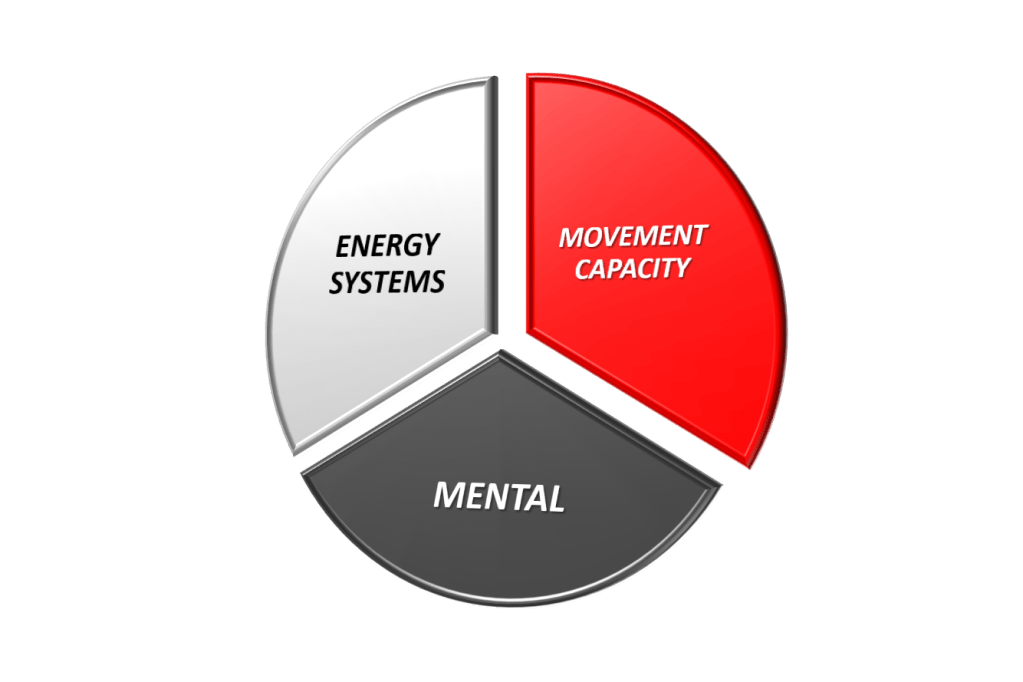

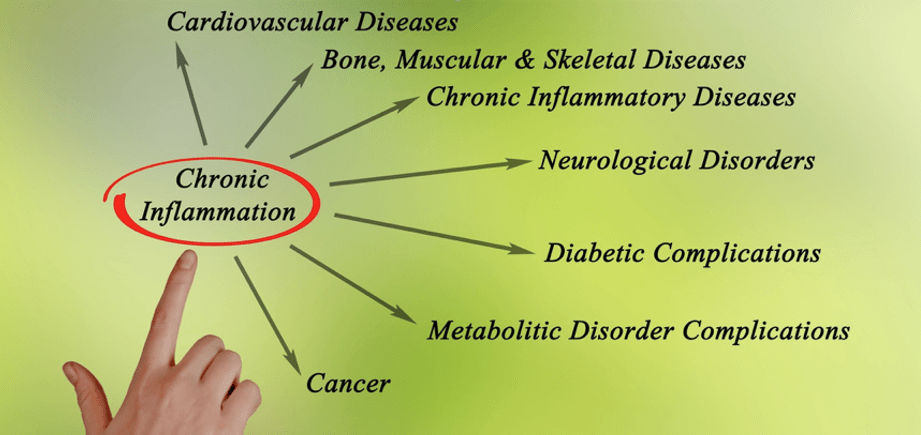

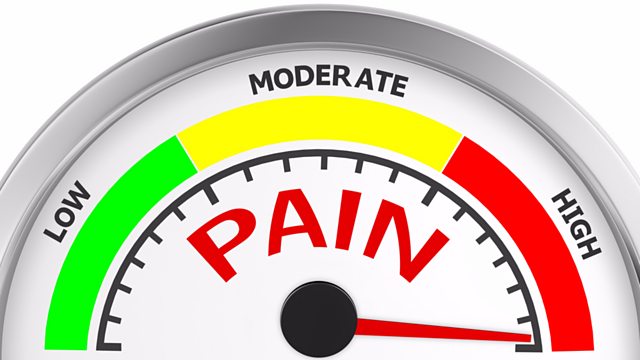





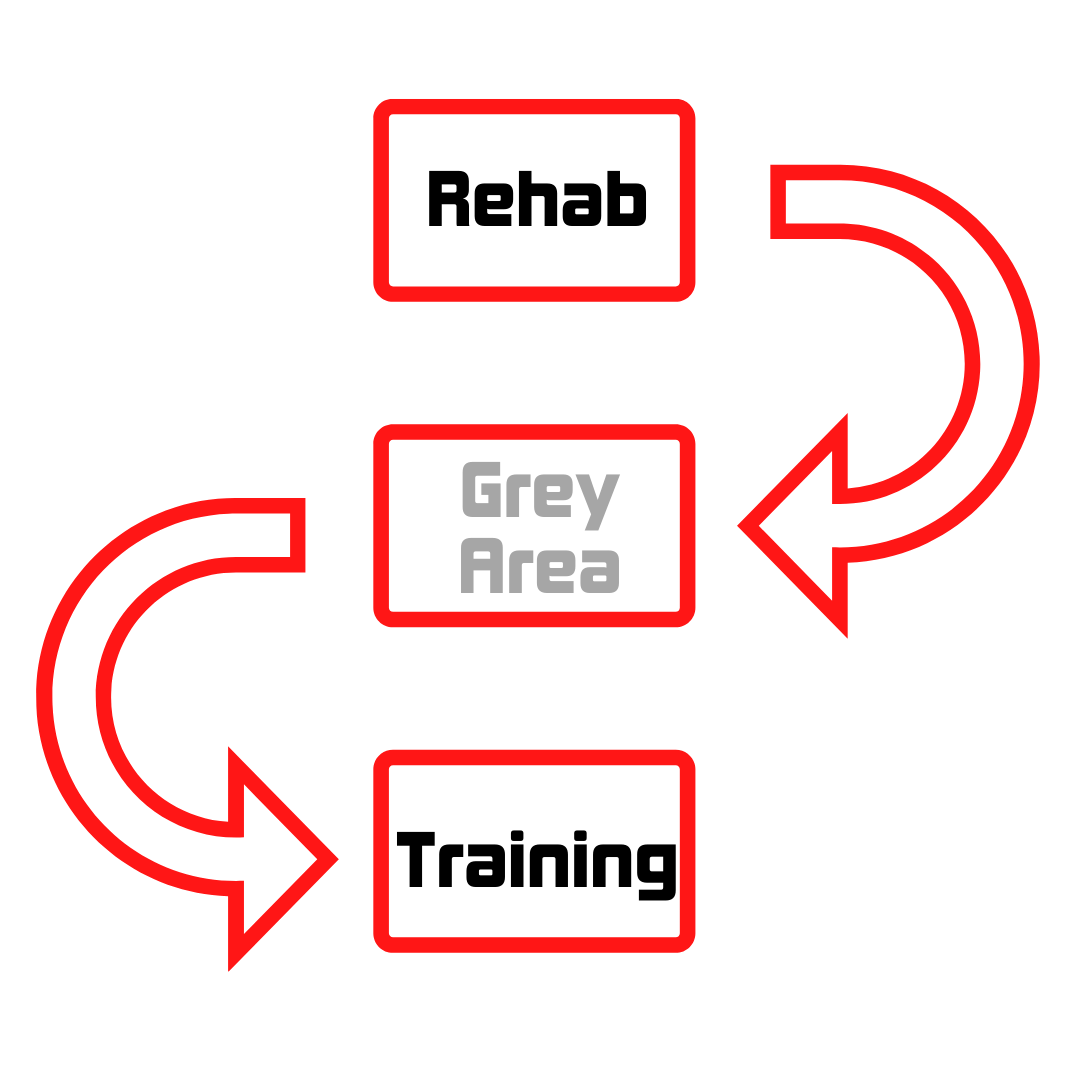
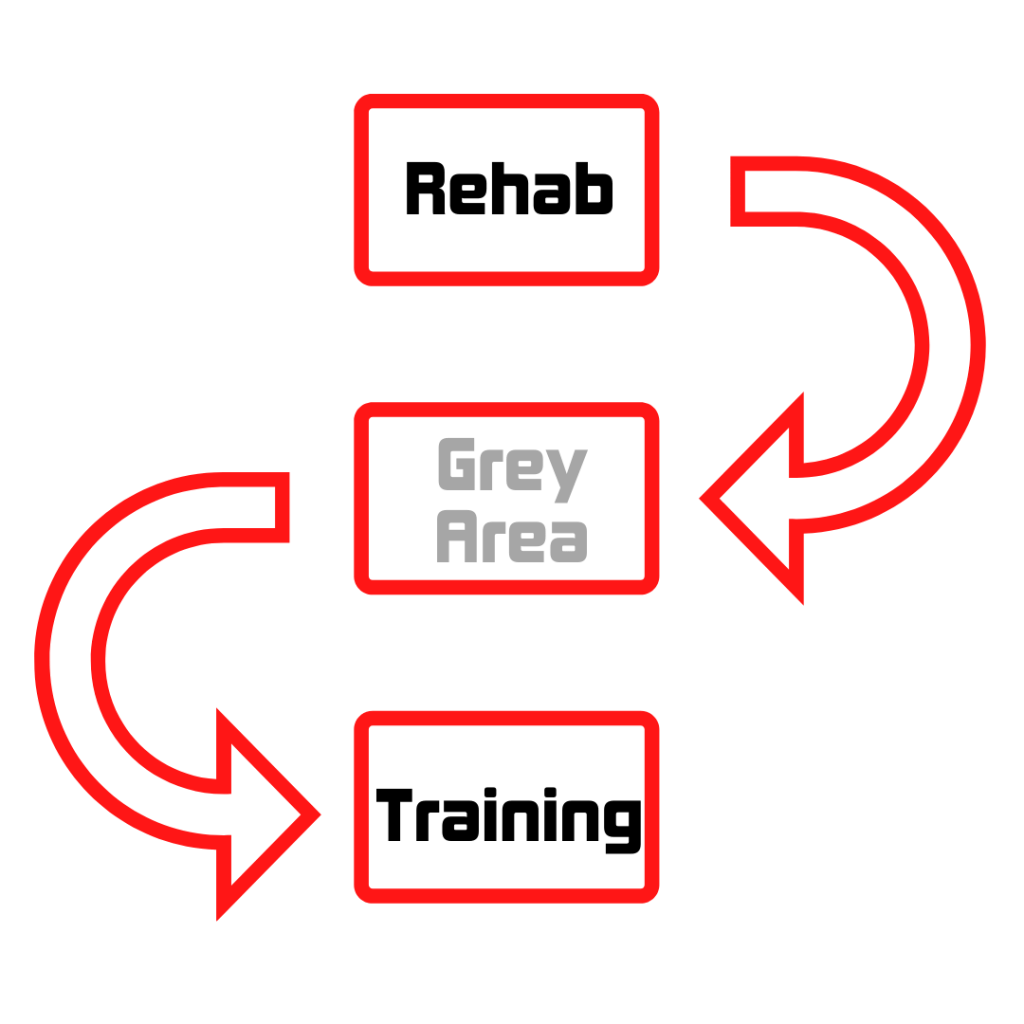
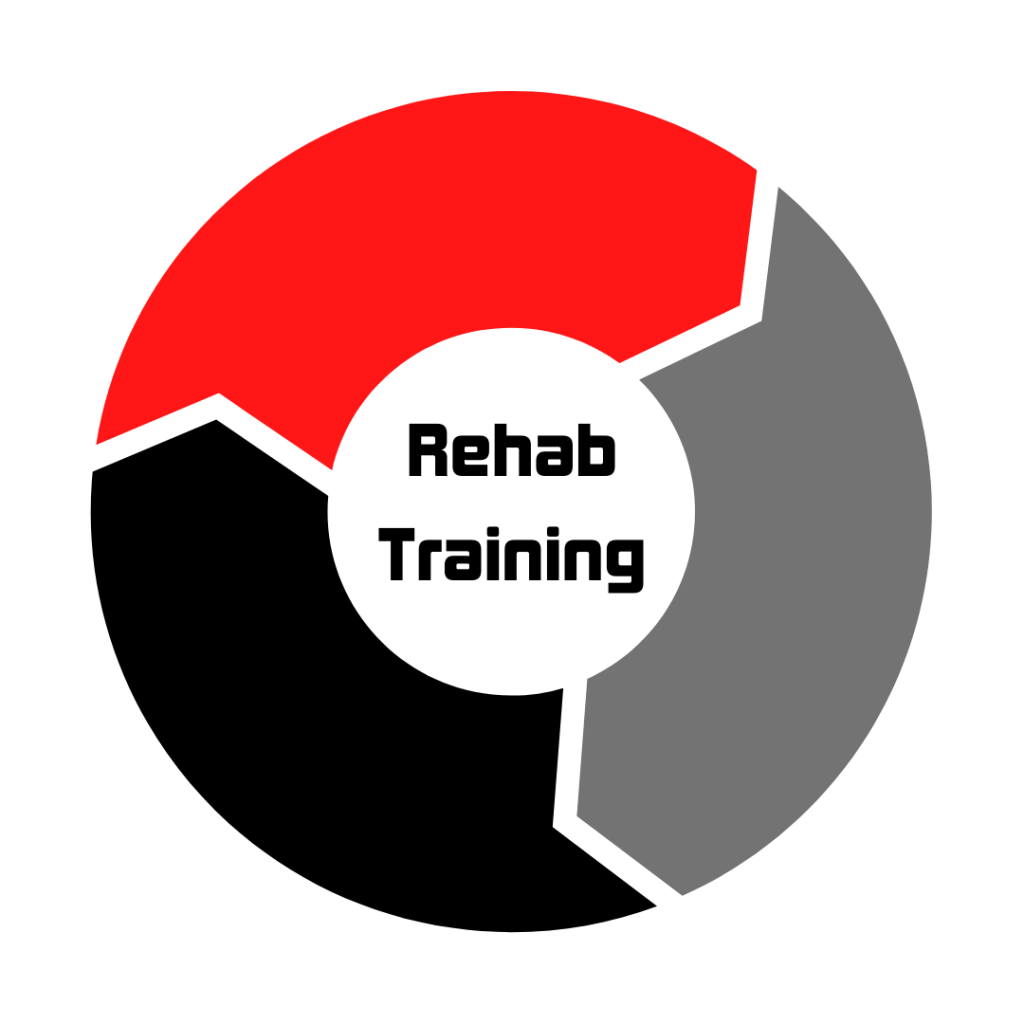


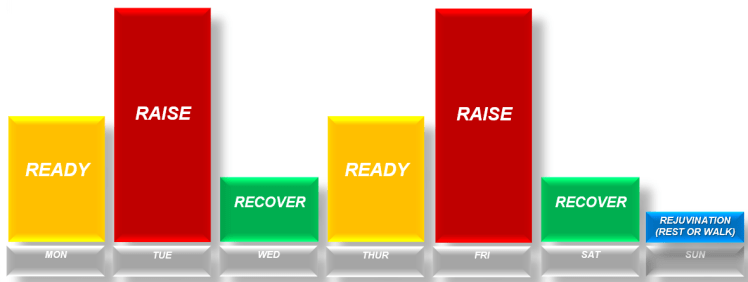

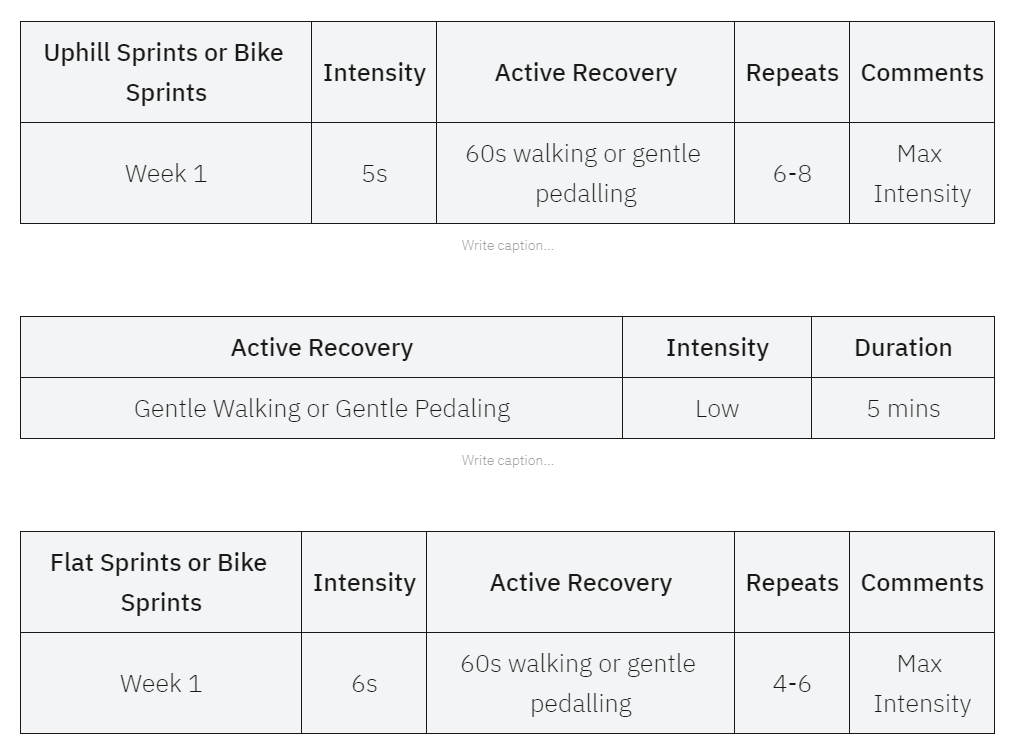
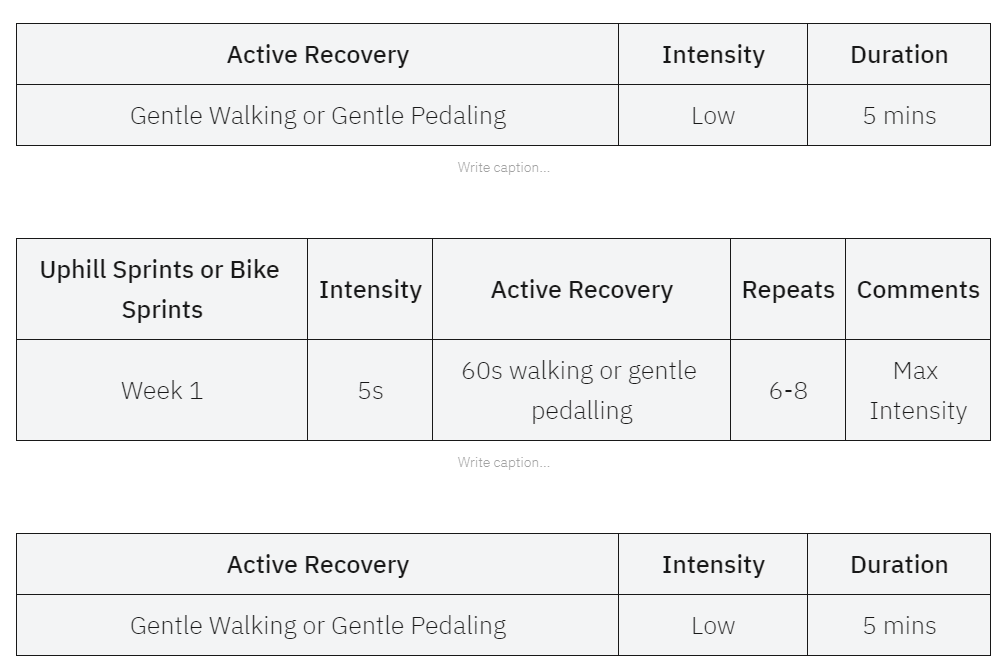
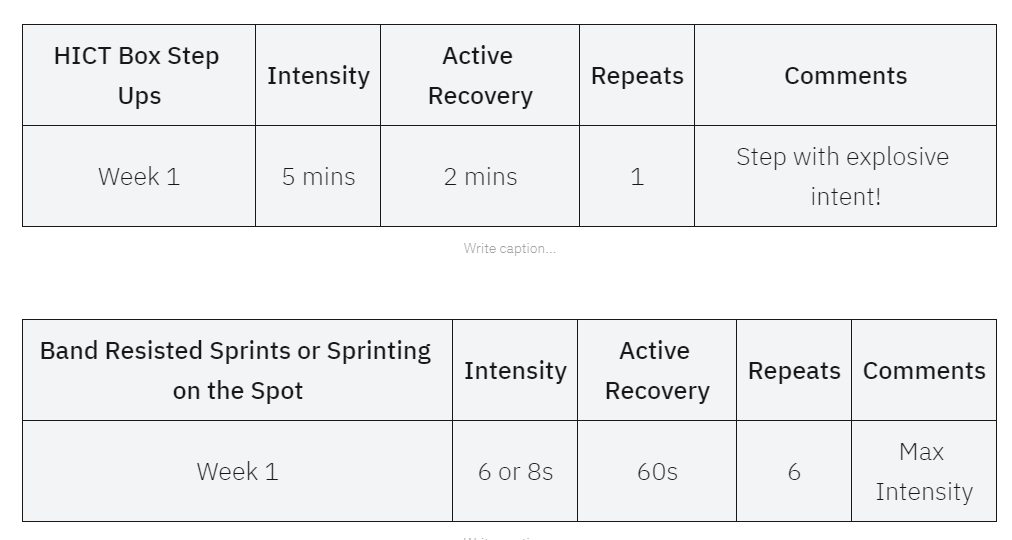
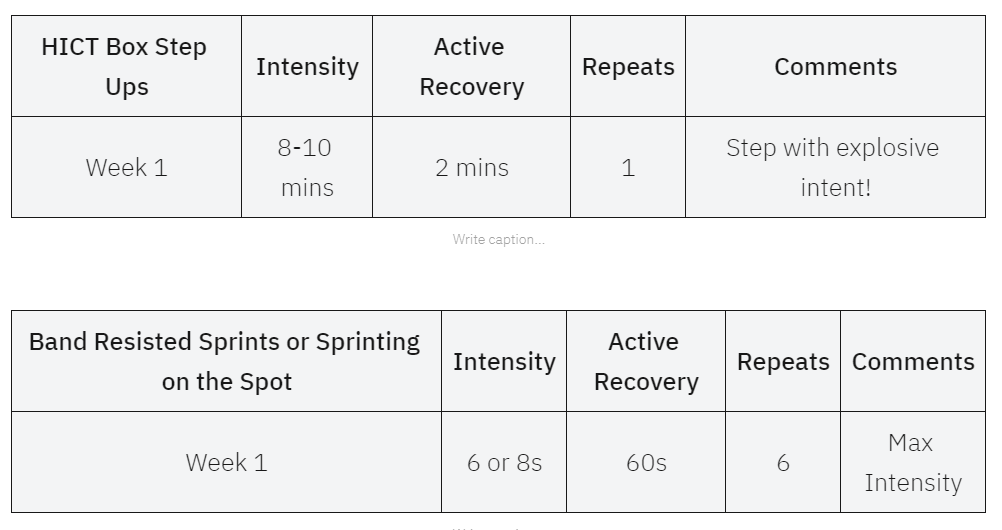
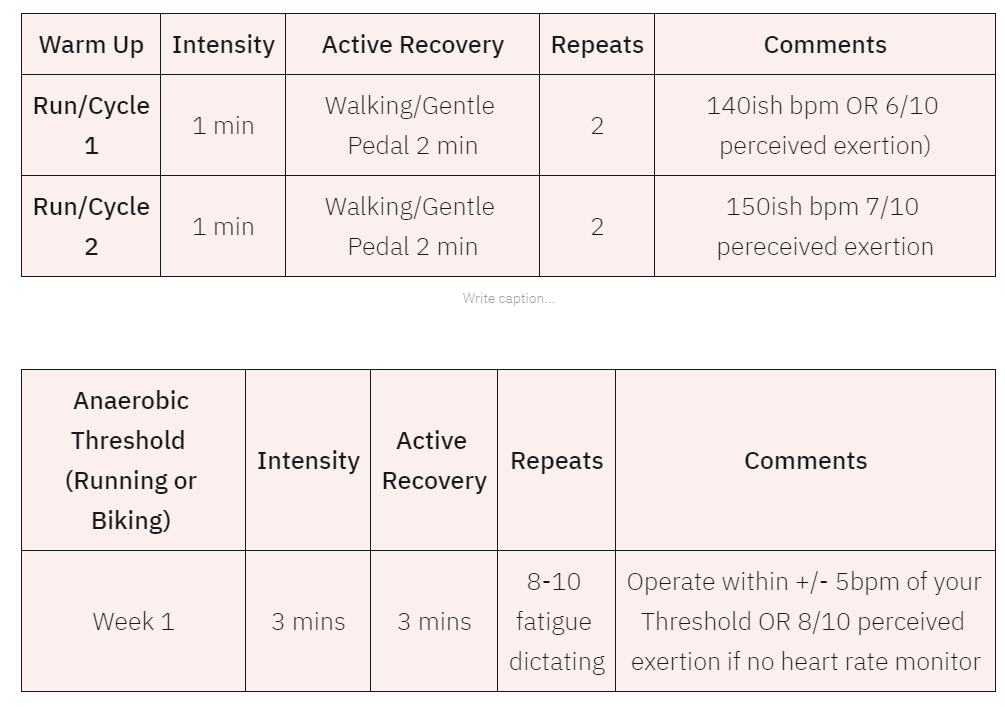
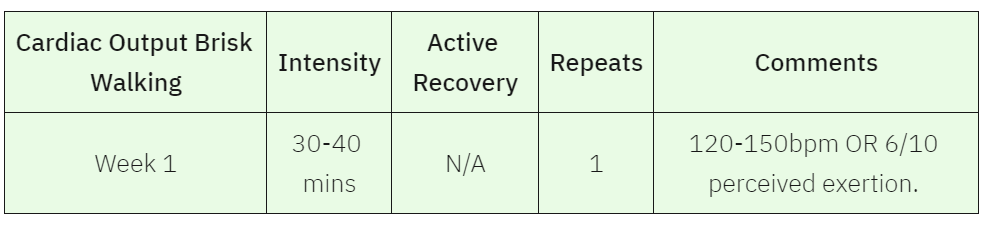
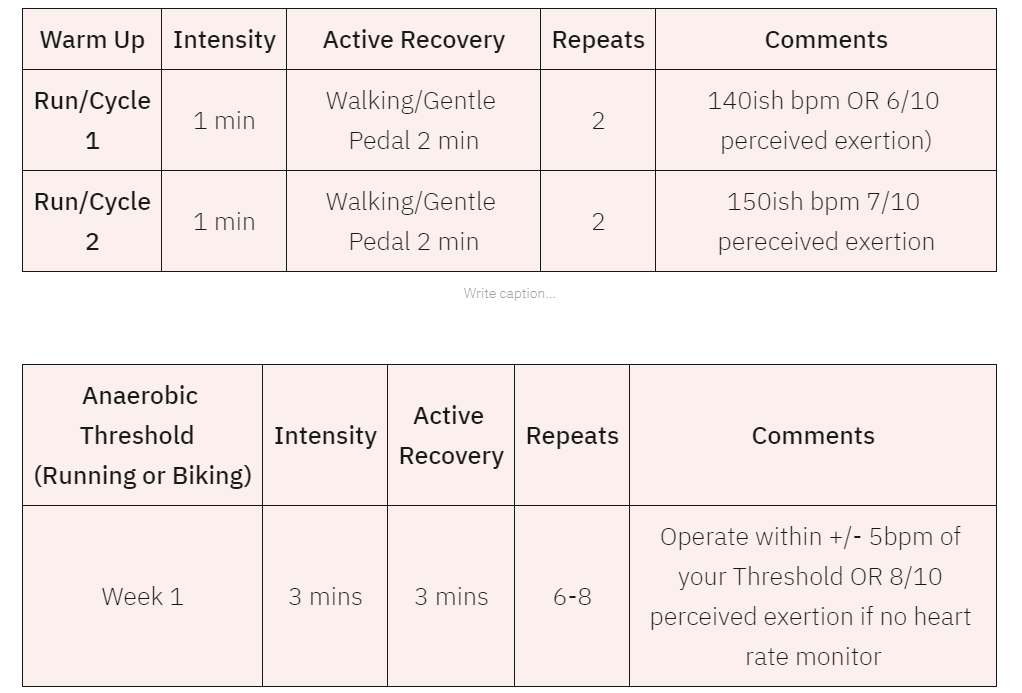

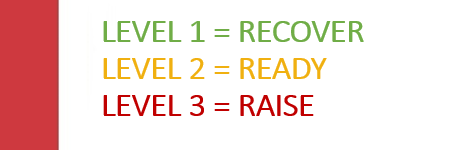

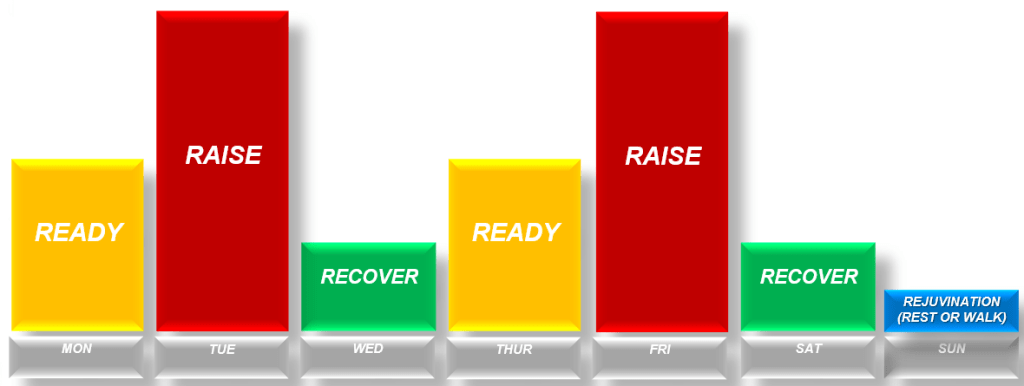

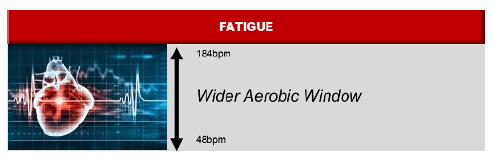
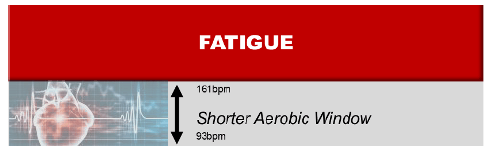
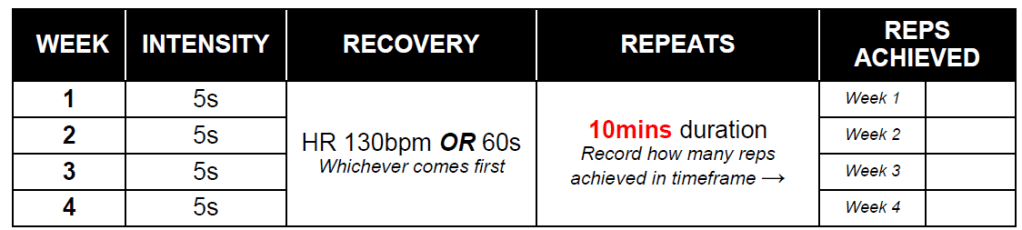
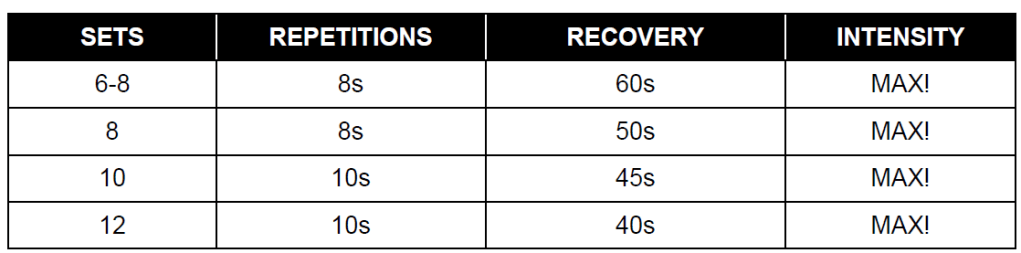





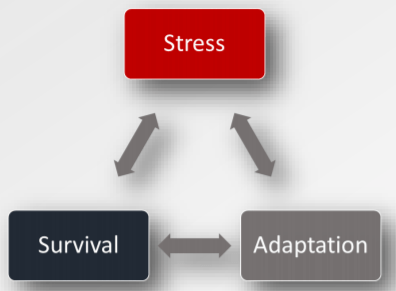
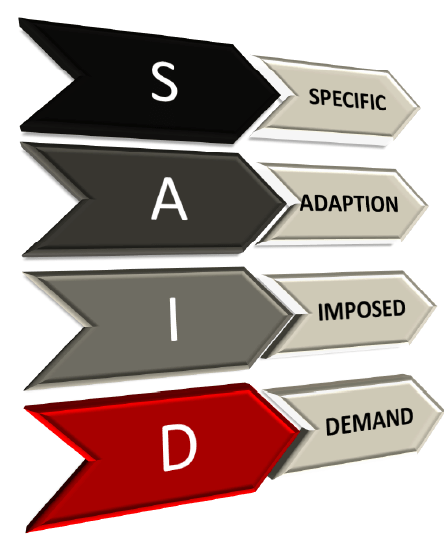
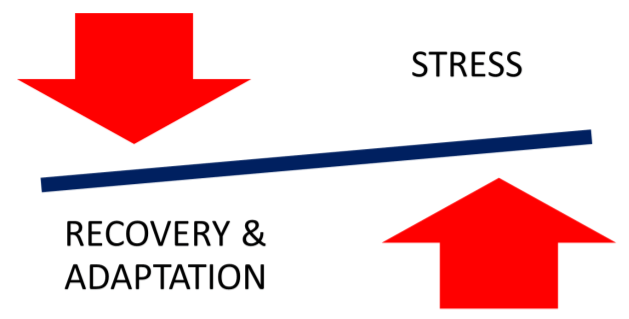
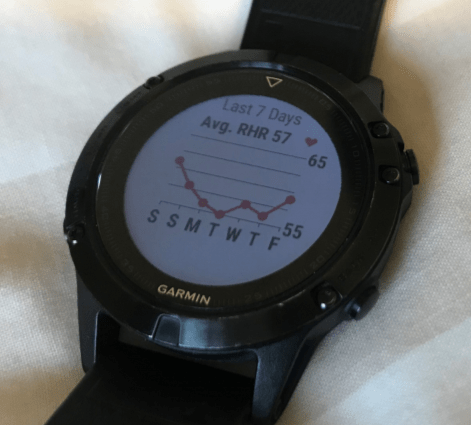



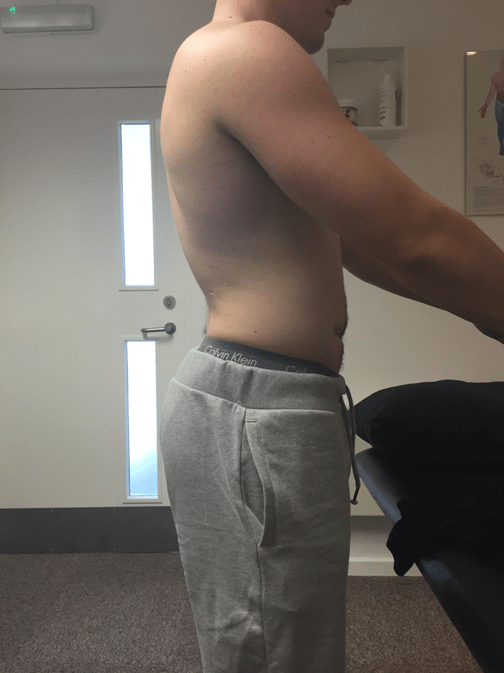
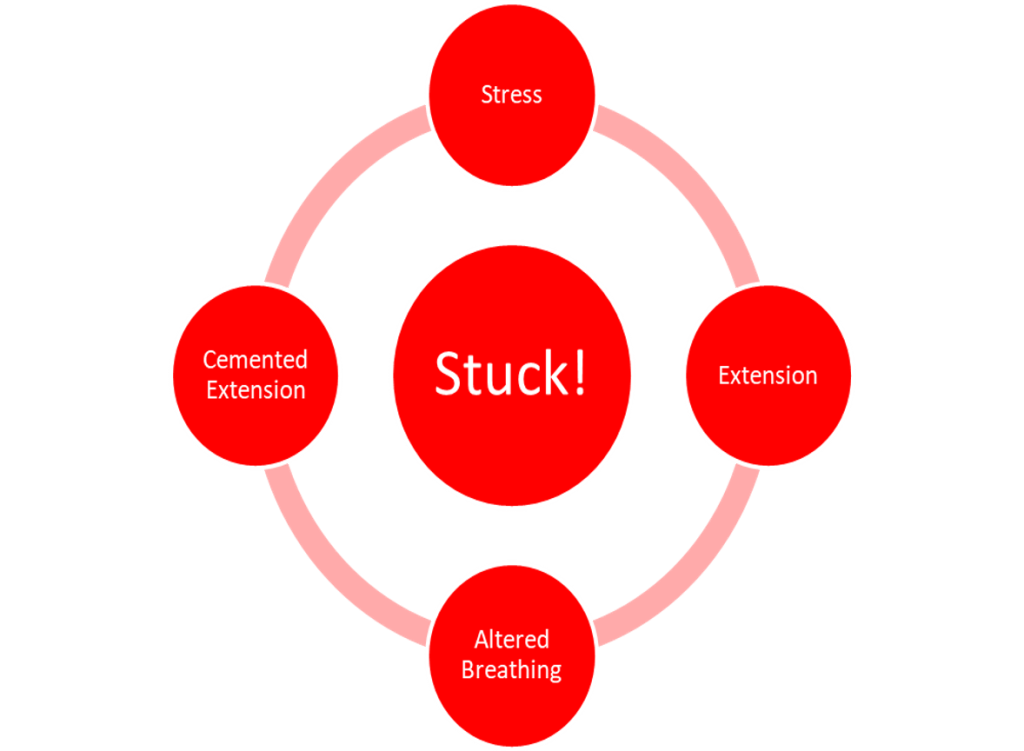

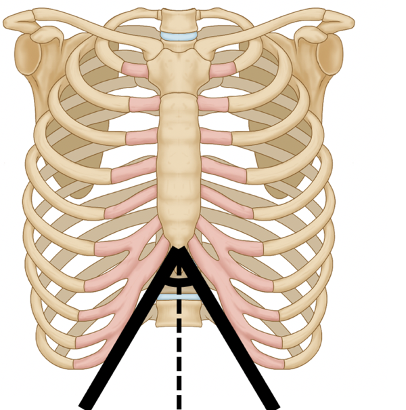
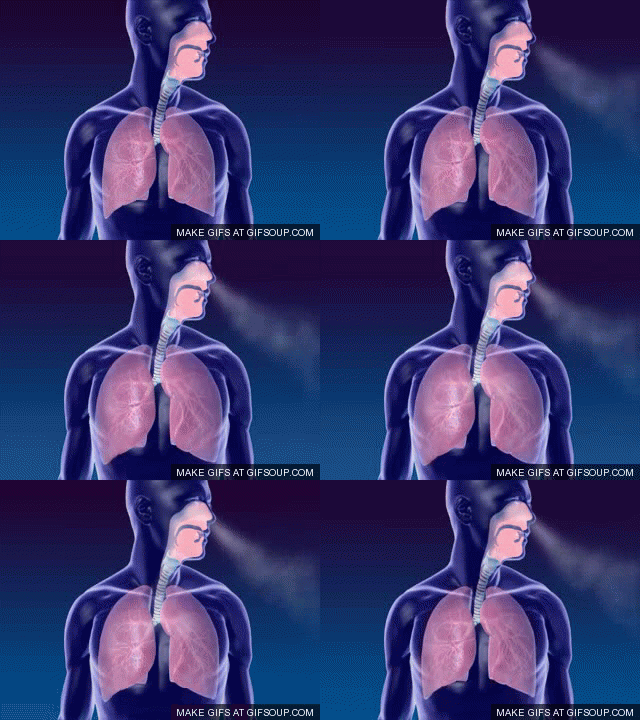


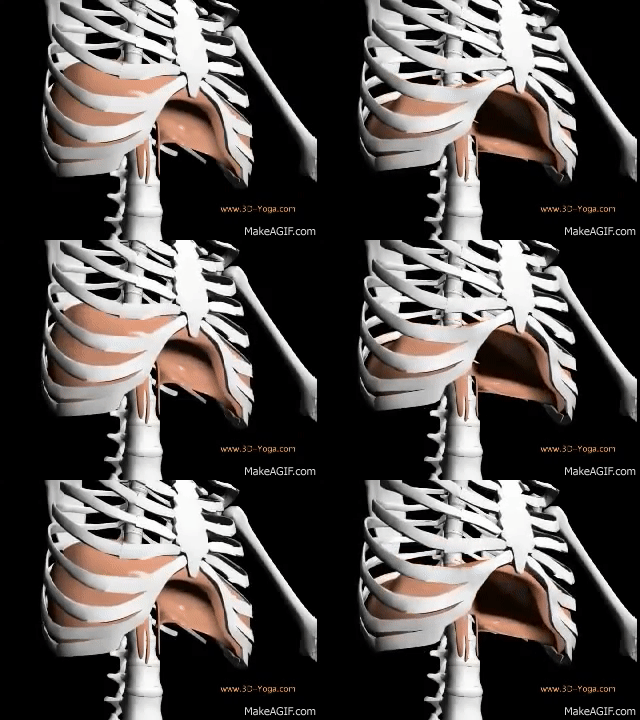
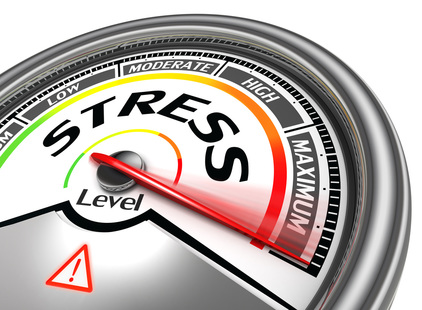


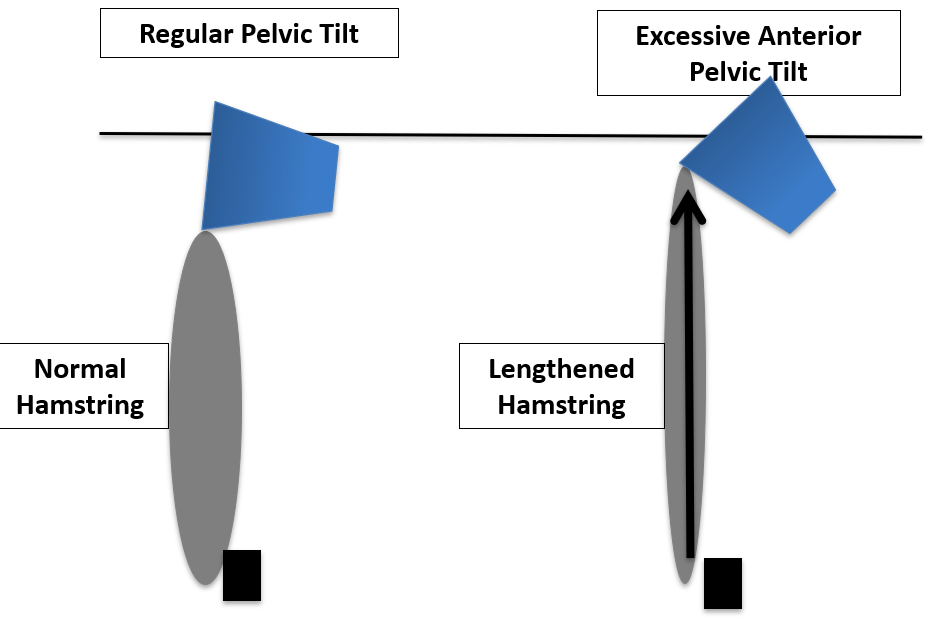











.JPG)



 Tier 1 Training and Rehabilitation Systems